Bingo App Creation Expenses Projected for 2026 Range Widely Based on Scope
Written by Yves Keller · May 18, 2026
Bingo App Creation Expenses Projected for 2026 Range Widely Based on Scope
Developers and studio teams preparing bingo game apps for release in 2026 face cost estimates that stretch from as low as $8,000 for straightforward versions up to $150,000 when full feature sets and multi-platform support enter the picture. This range reflects differences in design depth, code architecture, and ongoing support needs according to industry guides released ahead of the new year cycle.
Market Context Driving These Figures
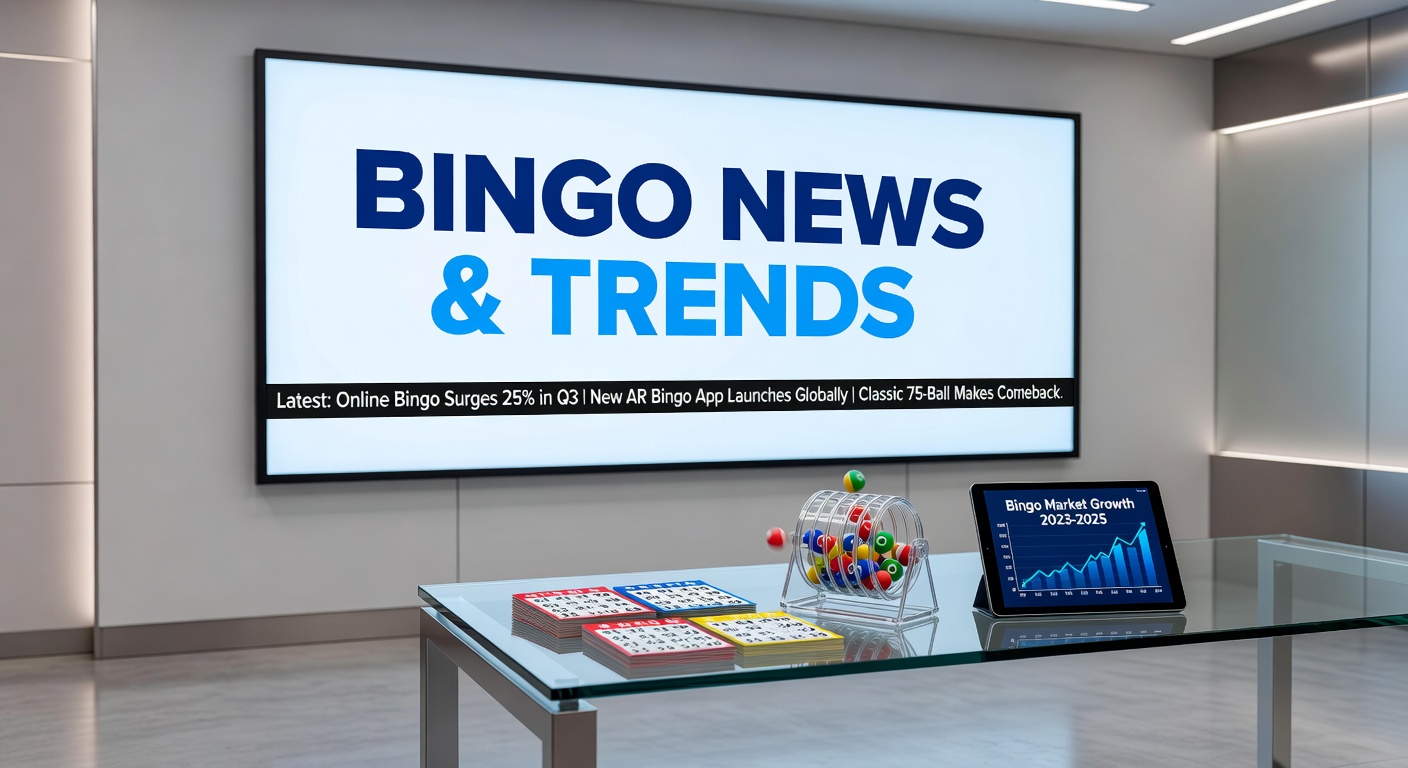
Bingo sector expansion continues to influence budgeting decisions as operators seek mobile solutions that match rising player interest across regions. Data from the Gambling - Lottery & Bingo - Worldwide market forecast report highlights steady growth projections through the mid-2020s, which in turn pushes studios to allocate resources carefully when planning new titles for launch windows that include May 2026.
Core Expense Categories in App Builds
UI/UX design typically forms the first major line item because intuitive interfaces keep users engaged during extended sessions. Teams invest in wireframes, visual assets, and user flow testing before any coding begins, and these steps alone can account for 15 to 25 percent of total outlays depending on animation complexity.
Backend and frontend development follows as the heaviest portion of most budgets. Backend work handles player accounts, random number generation for fair draws, and real-time multiplayer elements, while frontend code ensures smooth performance on both iOS and Android devices. Projects that require custom servers or integration with payment gateways see these costs climb quickly toward the upper end of the spectrum.
Testing phases consume additional weeks and funds because compliance checks for regional gambling rules must pass before distribution. Automated scripts run alongside manual playthroughs to catch edge cases in jackpot calculations and bonus triggers, reducing the chance of post-launch patches that prove expensive later.
Maintenance rounds out the picture with recurring charges for server uptime, security updates, and feature additions requested by operators. Annual support contracts often represent 10 to 20 percent of initial development spend once the app reaches users.
Platform Choices That Affect Totals
Single-platform releases keep expenses closer to the $8,000 mark when basic graphics and limited game modes suffice, yet cross-platform builds push figures higher because separate codebases or hybrid frameworks demand extra engineering hours. Observers note that decisions made at the planning stage determine whether a project stays lean or expands rapidly once stakeholder feedback arrives.
Practical Approaches to Lower Development Outlays
Many studios turn to Unity as a cost-control measure because its cross-platform capabilities reduce the need for duplicate coding efforts across operating systems. Pre-built assets available within the engine further trim design timelines while still allowing customization that fits specific bingo mechanics.
Outsourcing non-core tasks to specialized firms in lower-cost regions provides another route to savings without sacrificing quality when clear communication protocols stay in place. Teams that break projects into modular sprints often discover they can reallocate saved hours toward premium features that differentiate their app in a crowded marketplace.
Those who've studied similar rollouts report that early vendor comparisons and detailed scope documents prevent scope creep that inflates final invoices. Fixed-price agreements for defined deliverables help lock in budgets before work starts, especially useful when market forecasts signal increased competition by spring 2026.
Examples from Recent Projects
Take one mid-sized studio that completed a basic bingo app last year for under $12,000 by relying on Unity templates and selective outsourcing for backend security layers. In contrast, a larger operator built a feature-rich version with live chat, leaderboards, and multiple language options that exceeded $120,000 yet achieved faster user acquisition once live.
These cases illustrate how feature priorities directly shape spending patterns and why preliminary planning sessions matter when deadlines approach for 2026 releases.
Conclusion
Budgets for bingo game apps in 2026 ultimately hinge on deliberate choices about scope, tools, and partnerships that align with broader market expansion signals. Studios weighing these options gain clearer timelines when they map expenses across design, development, testing, and upkeep phases from the outset.