Community Insights Driving Refinements in Bingo Prize Calculation Systems
Written by Olivia Richter · Aug 5, 2026
Community Insights Driving Refinements in Bingo Prize Calculation Systems
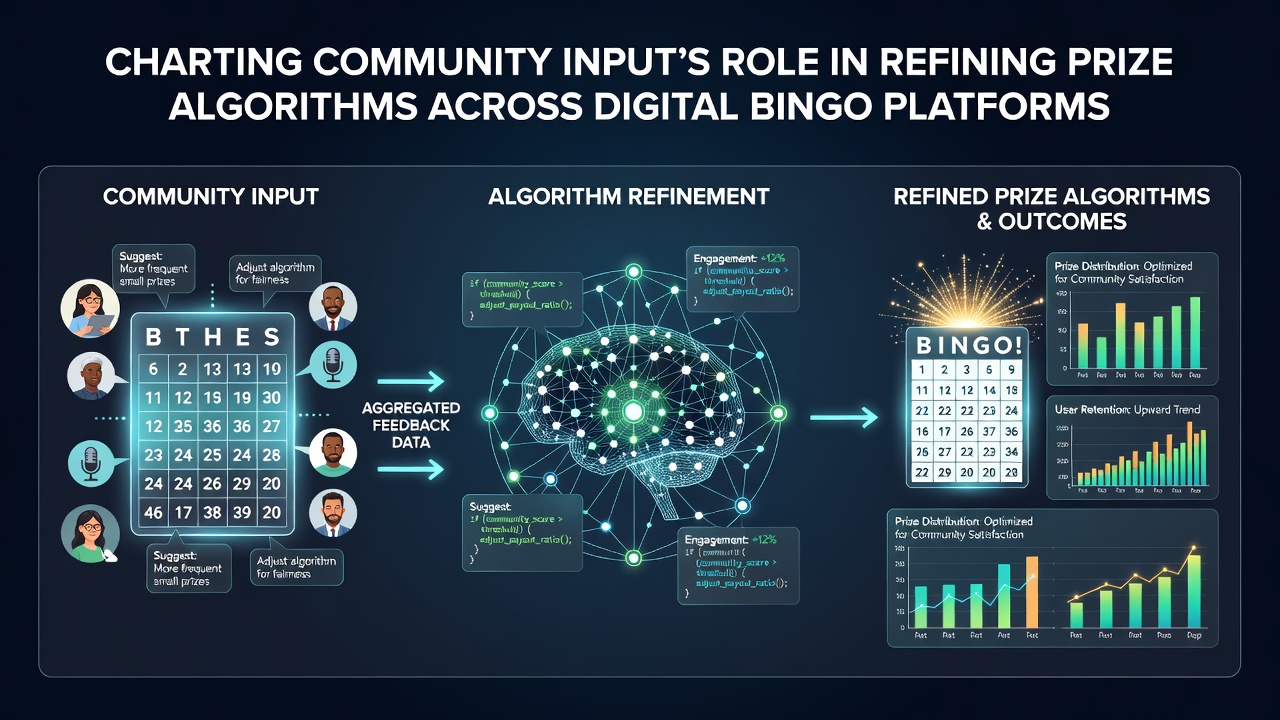
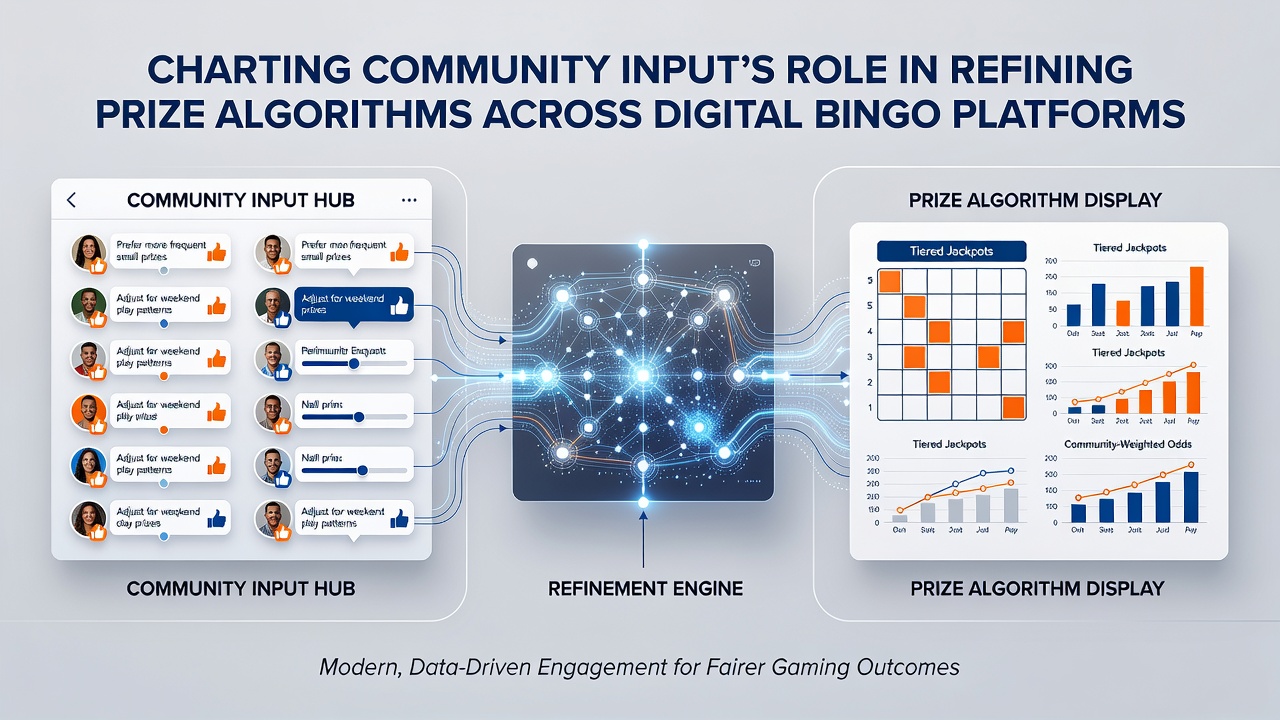
Digital bingo platforms have incorporated structured channels for player suggestions since the mid-2010s, and these mechanisms now feed directly into adjustments of prize distribution formulas. Operators track feedback through in-app surveys, forum threads, and rating systems that log specific complaints about jackpot frequency or bonus trigger rates. Data from these sources gets aggregated into datasets that developers analyze each quarter, allowing modifications to probability tables that govern prize pools.
Collection Methods and Data Processing
Platforms gather input through multiple touchpoints where players submit comments on recent sessions, and software teams parse these entries for recurring themes such as calls for higher secondary game payouts or altered no-deposit reward thresholds. Analysts apply natural language processing tools to categorize comments, then cross-reference them against session logs that record actual win distributions. This process reveals mismatches between expected and reported outcomes, prompting recalibrations that shift allocation percentages among jackpot tiers.
Algorithm Adjustments Based on Aggregated Feedback
Engineers revise weighting coefficients in prize algorithms when community data shows consistent patterns, for instance when large groups report infrequent access to progressive jackpots during peak hours. In one documented workflow, a platform reduced the threshold for mini-bingo triggers after thousands of users flagged the previous setting as too restrictive, and subsequent metrics indicated a measurable uptick in session duration across affected rooms. These changes occur through iterative testing cycles where updated code runs alongside control versions before full deployment.
August 2026 saw several operators publish transparency reports that detailed how player ratings influenced specific formula tweaks, including expansions to side-game prize structures that had previously drawn criticism for low return rates. Such reports align with broader industry practices where external audits verify that modifications maintain regulatory compliance standards set by bodies like the Malta Gaming Authority.
Regional Variations in Implementation
European operators tend to integrate feedback loops more rapidly because local regulations encourage player protection measures that include responsiveness to reported concerns, whereas North American platforms often require additional layers of internal review before altering core algorithms. According to data shared by the European Gaming and Betting Association, platforms that actively incorporate community suggestions record higher retention metrics compared with those relying solely on internal modeling. Australian frameworks, overseen in part by AUSTRAC reporting requirements, emphasize documentation of how player input affects financial distributions, creating audit trails that extend to prize calculation logic.
Measurement of Outcomes
Researchers track key performance indicators such as average prize claim rates and complaint volume reductions following each algorithm update cycle. Studies conducted by university gaming labs have shown correlations between implemented changes and shifts in player engagement scores, although causality remains difficult to isolate from concurrent marketing campaigns. Platforms that maintain public changelogs allow observers to map specific community threads to resulting code revisions, providing a visible record of influence.
Conclusion
Community input channels continue to shape prize algorithm refinements across digital bingo platforms through systematic collection, analysis, and testing procedures. These processes rely on quantitative metrics derived from player interactions rather than isolated suggestions, and ongoing regulatory expectations ensure that modifications remain transparent and verifiable. Future iterations will likely expand the granularity of feedback categories as data collection tools advance.