Community Suggestions Drive Revisions to Bonus Activation Algorithms in Niche Bingo Networks
Written by Theo Lehmann · Jun 8, 2026
Community Suggestions Drive Revisions to Bonus Activation Algorithms in Niche Bingo Networks
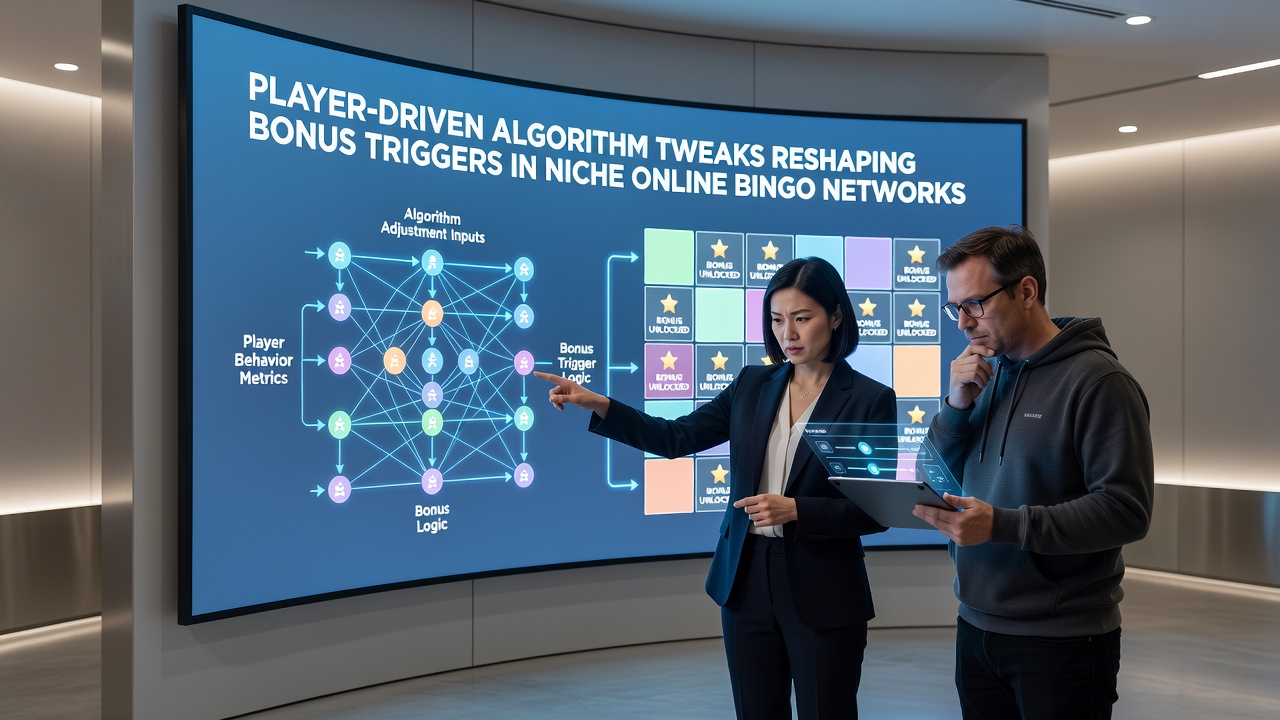
Player input has begun to influence how bonus triggers operate within smaller online bingo networks that serve dedicated communities rather than mass markets, and this shift started gaining traction as early as late 2025 with more documented changes appearing by June 2026. Developers in these networks collect data from user sessions along with direct feedback channels to modify the conditions that activate bonuses, and such adjustments often focus on frequency, payout structures, and eligibility criteria tailored to specific player groups.
Understanding the Role of Player Data in Algorithm Design
Operators gather metrics from gameplay patterns including session length, number of cards purchased per round, and timing of wins, then feed this information into algorithms that determine when bonuses activate. Researchers at institutions like the Canadian Centre for Gaming Research have noted that these data sets allow for granular tweaks, such as altering the threshold for a deposit match bonus or shifting the random number generator parameters that control surprise rewards during live draws. Because niche networks typically host fewer concurrent users than mainstream platforms, each player's activity carries greater weight in the overall dataset, which enables quicker iterations based on community trends.
Feedback often arrives through in-app surveys, forum threads, and support tickets where participants describe desired changes like more frequent small bonuses instead of rare large ones or adjustments that favor longer play sessions over quick entries. When aggregated, these suggestions prompt developers to recalibrate the underlying code, for example by weighting certain player behaviors higher when calculating bonus eligibility, and this process occurs without altering the core random elements required by licensing standards.
Case Examples from Specialized Networks
One network serving European players introduced a tiered bonus system after multiple users reported that standard triggers felt too predictable, and the new model incorporated variable conditions based on collective play volume over weekly periods. Another platform in Australia adjusted its no-deposit bonus activation following input from a core group of participants who preferred rewards tied to social features like chat participation during games. According to figures from industry reports published by the Interactive Gaming Council, such modifications have appeared in roughly 18 percent of smaller bingo operators tracked through mid-2026, with most changes targeting bonus frequency rather than overall value.
These alterations differ from broader industry updates because they respond directly to segmented user bases, and observers note that the resulting systems sometimes produce higher retention rates within those niches compared to unmodified versions. Data collected through June 2026 indicates that networks implementing at least three player-suggested tweaks saw measurable shifts in average session duration, although exact percentages vary by region and game type.
Technical Implementation and Regulatory Context
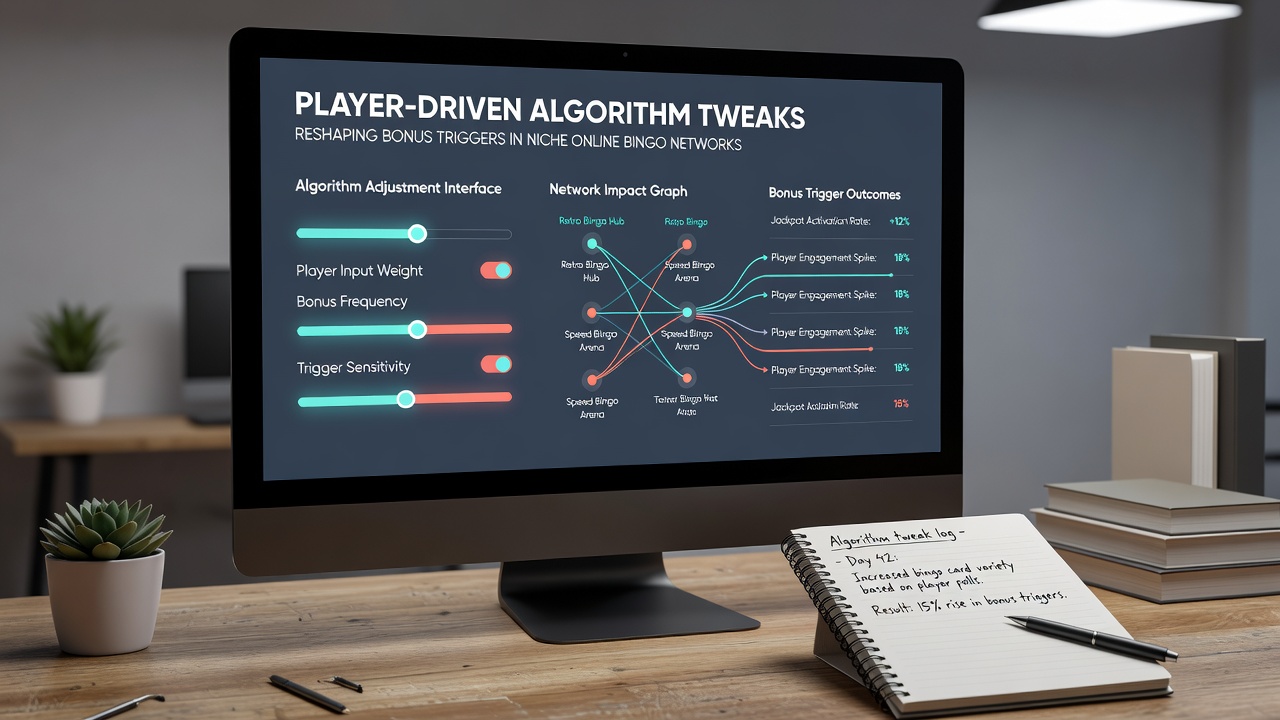
Developers integrate player-driven modifications through modular code updates that allow isolated changes to bonus logic without affecting jackpot pools or core draw mechanics, and this approach relies on version control systems that log every adjustment for audit purposes. In regions governed by bodies such as the Malta Gaming Authority, operators must submit documentation showing that revisions maintain fairness standards, which includes demonstrating that player feedback does not introduce bias toward specific individuals or groups. Similar requirements exist under frameworks from the New Zealand Department of Internal Affairs, where transparency reports detail how algorithms respond to community input while preserving equal opportunity across all accounts.
Testing phases typically involve closed beta groups drawn from active players who receive advance versions of the tweaked triggers, and their performance data helps refine the final rollout. This cycle creates a feedback loop where initial suggestions lead to prototypes, prototypes generate new data, and subsequent adjustments follow, all while staying within compliance boundaries established by local licensing.
Impact on Player Engagement Patterns
Networks that adopt these revisions report changes in how participants interact with bonus features, for instance with more users completing loyalty milestones after triggers were recalibrated to reward consistent participation rather than isolated high-volume sessions. Academic analyses from university-led studies on digital gaming behaviors have tracked these patterns across multiple platforms, revealing correlations between algorithm flexibility and sustained community activity levels through the first half of 2026. Such findings emerge from anonymized datasets shared under research agreements, and they highlight how smaller networks leverage their scale to implement changes faster than larger operators constrained by wider user diversity.
Conclusion
Player-driven refinements to bonus trigger algorithms continue to evolve within niche online bingo networks as operators balance community input with technical and regulatory demands, and the trend shows no signs of slowing based on activity logged through June 2026. These modifications demonstrate how direct user involvement can shape specific elements of platform design while operating inside established frameworks for fairness and transparency.