Data Analytics Guiding Resource Allocation in Emerging Bingo Venues
Written by Yves Keller · Jun 15, 2026
Data Analytics Guiding Resource Allocation in Emerging Bingo Venues
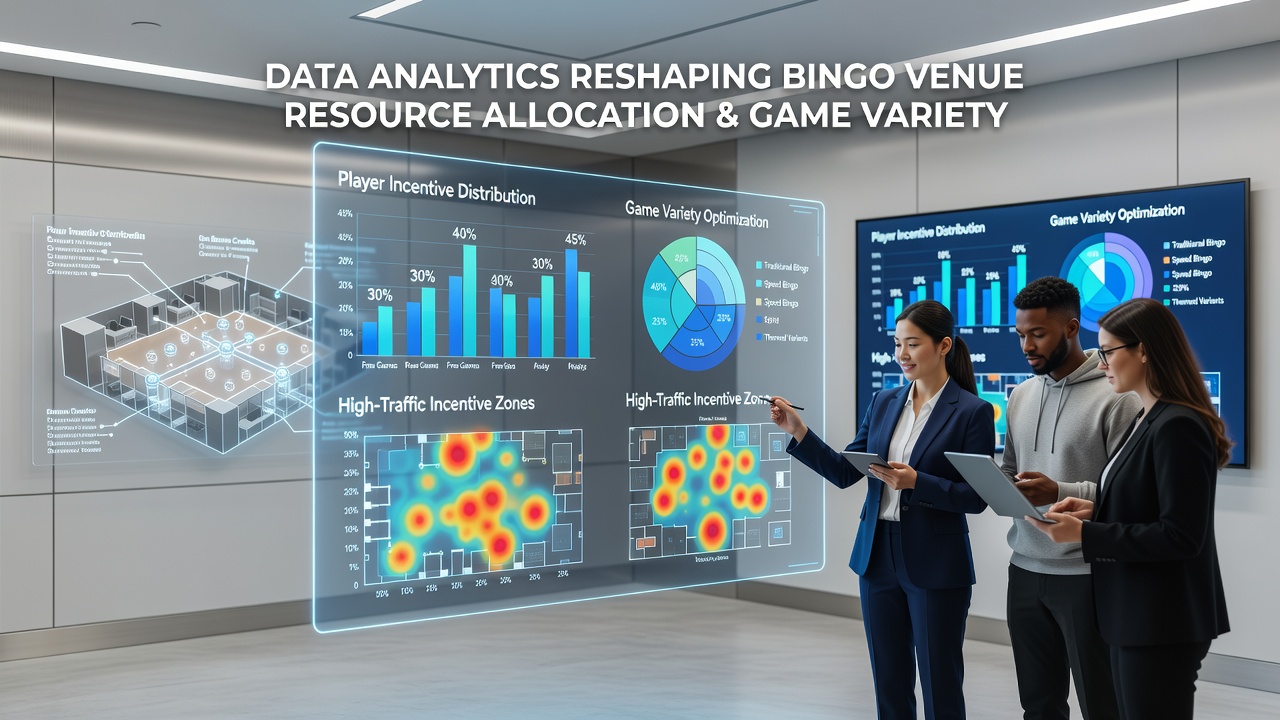
Data analytics now directs how new bingo venues distribute budgets toward player incentives and game variety, with operators relying on detailed player behavior patterns to make these decisions. Venues track participation rates, session lengths, and preference shifts through integrated software systems that collect information from both physical locations and connected digital platforms. This approach allows managers to adjust offerings based on measurable trends rather than assumptions about what might appeal to visitors.
Tracking Player Behavior for Incentive Planning
Operators at new bingo venues examine data on redemption rates for various bonus types to determine which incentives generate repeat visits. Figures from industry reports show that targeted promotions based on historical play data produce higher engagement levels compared to generic offers distributed without segmentation. In June 2026 several North American facilities reported implementing real-time dashboards that flag when certain incentive structures begin to lose effectiveness, prompting immediate reallocation of marketing funds toward more responsive reward tiers.
Those who manage these systems note that cross-referencing demographic information with game participation helps identify which player groups respond best to deposit matches versus free game credits. Canadian provincial gaming authorities have documented how such segmented approaches reduce overall promotional spending while maintaining steady attendance figures across different age brackets.
Optimizing Game Variety Through Performance Metrics
Analytics platforms also shape decisions about which game variants receive floor space or development priority in newly opened bingo establishments. Performance data on session completion rates, average wager amounts, and player retention after specific game types guide selections for expanding or reducing particular offerings. Observers note that venues using predictive models can forecast demand for new side games weeks in advance, allowing procurement teams to secure licensing agreements for titles that align with emerging patterns.
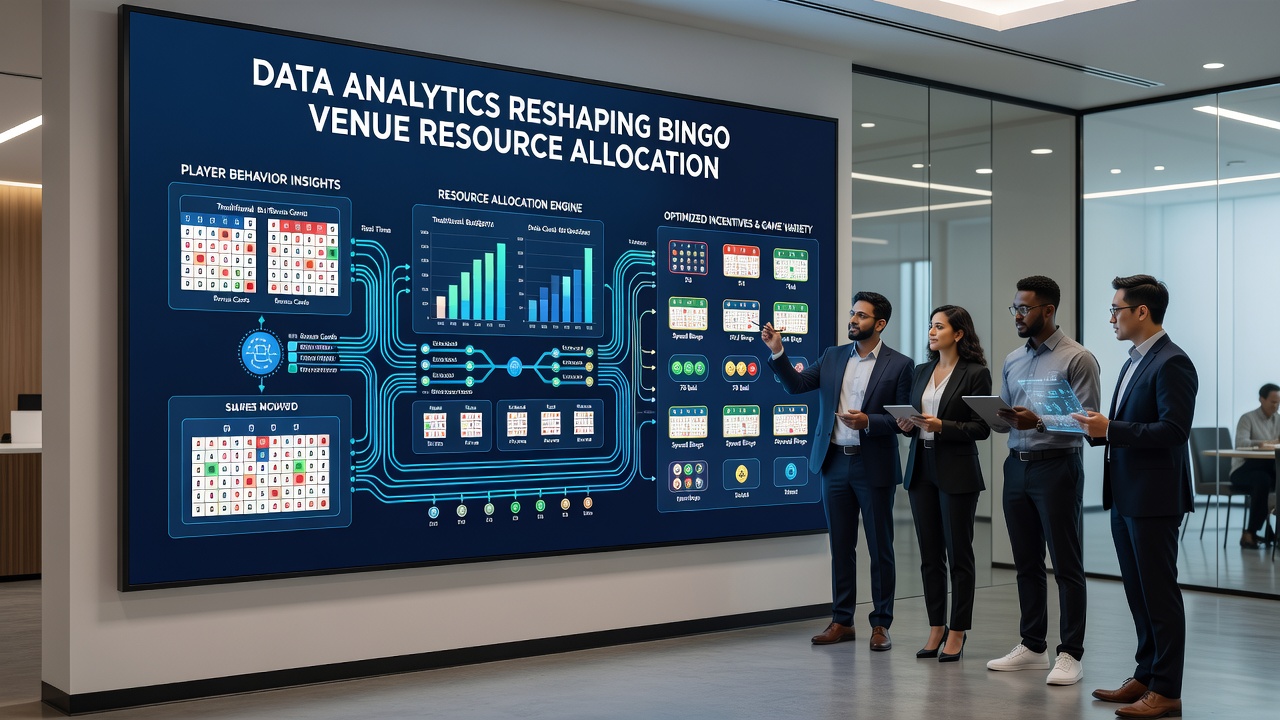
Research conducted by the Australian Gambling Research Centre indicates that facilities incorporating player feedback loops into their analytics frameworks achieve more balanced game libraries within the first year of operation. These loops capture direct input through in-app surveys and indirect signals from drop-off points in gameplay sequences. The resulting adjustments help maintain consistent traffic across both traditional bingo formats and newer hybrid variants that blend elements from other casino-style games.
Regional Examples of Analytics Implementation
Facilities in parts of Europe have adopted models that integrate regulatory compliance data with operational metrics, ensuring incentive programs remain within permitted parameters while still maximizing player value. Reports from the European Gaming and Betting Association highlight cases where venues adjusted jackpot structures after analyzing regional participation data, resulting in more even distribution of prize pools across different time slots.
One documented instance involved a venue in Scandinavia that used clustering algorithms to group players by activity levels and then tailored incentive schedules accordingly. This method produced measurable improvements in daily foot traffic without increasing total marketing expenditures. Similar techniques appear in Australian state-licensed operations where seasonal variations in player preferences receive explicit modeling through time-series analysis.
Resource Reallocation Based on Predictive Insights
New bingo venues increasingly apply forecasting tools to shift resources between incentive categories and game development as conditions change. Predictive models process variables including weather patterns, local event schedules, and competitor promotions to anticipate fluctuations in attendance. Data from these models informs decisions about temporary incentive boosts or the introduction of limited-time game variants designed to capture short-term interest spikes.
Industry organizations such as the Gaming Standards Association have published guidelines that encourage standardized data collection practices across venues. These practices enable more accurate benchmarking between facilities and support evidence-based adjustments to resource allocation strategies. Venues adopting these standards report clearer visibility into which combinations of incentives and game options deliver the strongest return on investment over quarterly periods.
Conclusion
Data analytics continues to refine how new bingo venues balance spending on player incentives against investments in game variety. The methods rely on continuous collection and interpretation of participation metrics, demographic trends, and performance indicators that together inform practical decisions about resource distribution. As systems evolve, facilities gain capacity to respond more precisely to observed patterns while maintaining compliance with regional regulations that govern promotional activities.