Examining Links Between Review Aggregates and Software Changes in Niche Bingo Networks
Written by Kai Günther · Aug 7, 2026

Examining Links Between Review Aggregates and Software Changes in Niche Bingo Networks
Review aggregates from player feedback systems continue to shape software modifications in niche bingo networks as operators sift through rating clusters and comment patterns to identify functional gaps. Data from these collections reveals recurring themes around interface navigation, jackpot display timing, and bonus trigger mechanics that prompt targeted code updates in smaller-scale platforms operating outside mainstream markets.
Review Data Collection Patterns
Specialized bingo providers gather feedback through integrated rating tools and post-session surveys that feed into centralized databases where algorithms cluster similar responses by frequency and sentiment score. Observers note that these aggregates often highlight friction points in mobile compatibility and side-game integration which then direct development teams toward specific adaptation priorities during quarterly update cycles in 2026.
Research indicates that platforms serving regional player bases in North America and parts of Europe track review volume spikes following new feature rollouts because those surges correlate with measurable retention shifts. Aggregates compiled across multiple niche operators show consistent emphasis on customization options for virtual room themes and chat moderation tools that developers later incorporate into subsequent releases.
Software Adaptation Mechanisms
Development teams translate review-derived insights into code adjustments by mapping high-frequency complaints to modular updates in the underlying platform architecture. For instance, repeated mentions of slow cashout processing in aggregated scores lead to backend optimizations that streamline transaction queues while maintaining compliance with local gaming standards.
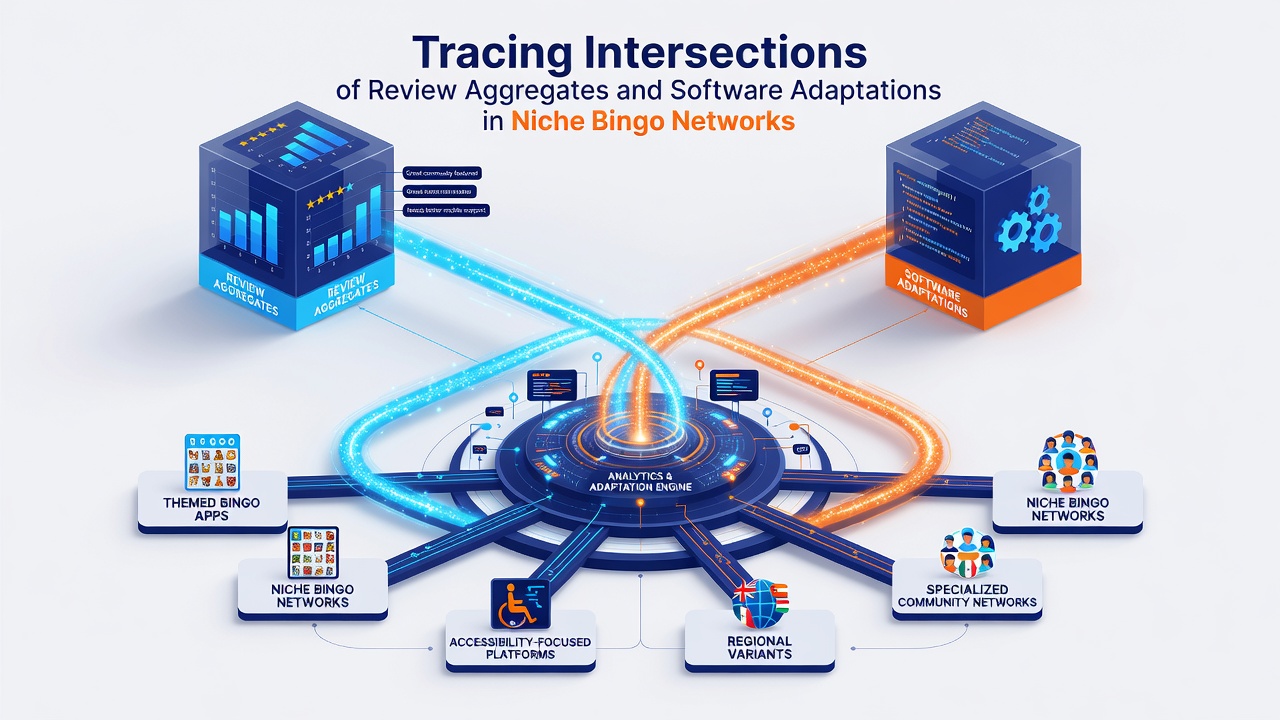
Those who've studied these intersections point out that niche networks frequently employ A/B testing frameworks to validate changes before full deployment because early indicators from review subsets help forecast broader acceptance rates. Data shows that adaptations focused on jackpot algorithm transparency and no-deposit entry flows produce measurable upticks in session duration metrics tracked through platform analytics suites.
Case Examples from Regional Operators
One documented instance involved a Canadian niche provider that revised its mobile interface after aggregates flagged navigation inconsistencies across older device models according to statistics released by the Alcohol and Gaming Commission of Ontario. The resulting software patch integrated responsive design elements that addressed the clustered feedback without requiring complete platform overhauls.
Another example emerged from Australian operators who adjusted bonus activation sequences following review pattern analysis that identified drop-off points during multi-step promotions. Reports from industry bodies like the Victorian Commission for Gambling and Liquor Regulation confirm that such targeted modifications aligned with observed increases in player return rates during the August 2026 monitoring period.
Analytics Integration and Future Trajectories
Platform architects continue to refine feedback loops that connect review aggregates directly to version control systems so that adaptation cycles shorten from months to weeks in many niche environments. Evidence suggests these tighter connections allow smaller networks to compete on feature parity while preserving specialized community elements that distinguish them from larger operators.
Conclusion
Intersections between review aggregates and software adaptations demonstrate how data patterns drive iterative improvements across niche bingo networks without relying on broad market trends alone. Continued monitoring of these dynamics reveals ongoing refinements in response mechanisms that support both player engagement and regulatory alignment in evolving digital ecosystems.