Input Channels That Shape Adjustments in Emerging Mobile Bingo Software and Loyalty Features
Written by Clara Richter · Jul 15, 2026
Input Channels That Shape Adjustments in Emerging Mobile Bingo Software and Loyalty Features
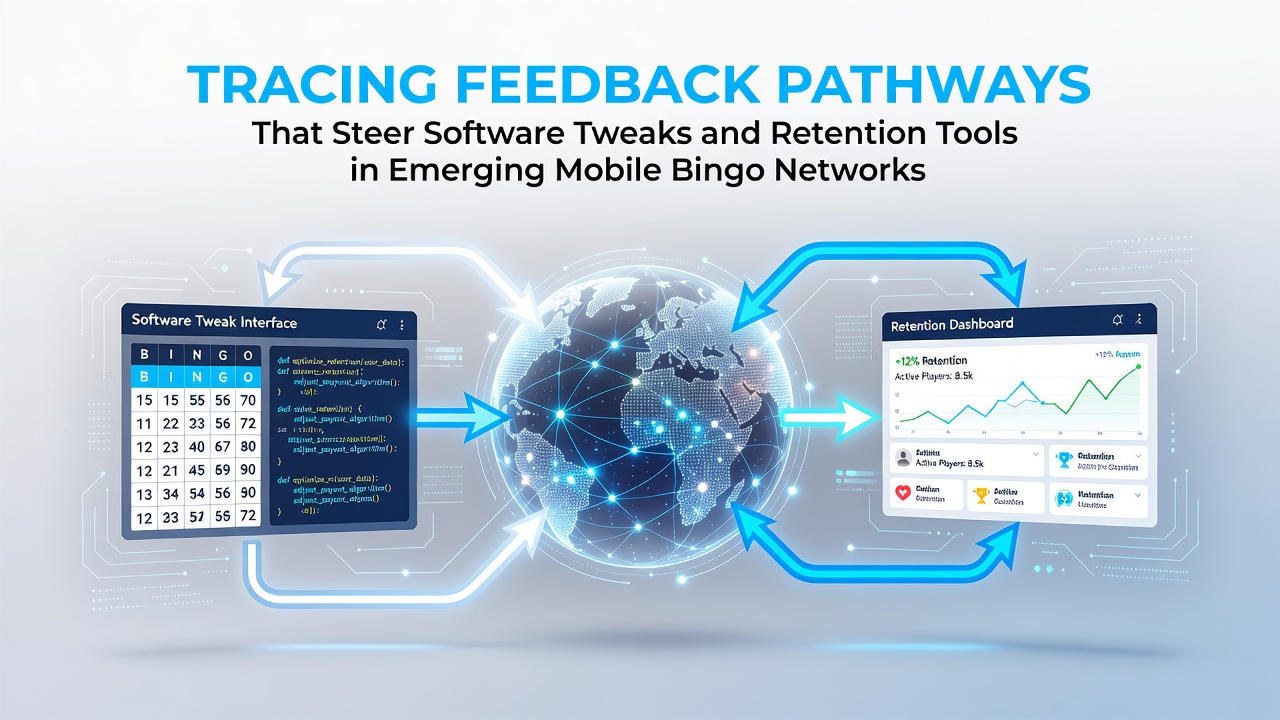
Player interactions generate streams of information that travel through structured channels in emerging mobile bingo networks, and these pathways connect usage logs with development decisions that refine both core software and retention mechanisms. Observers note that direct feedback from in-app prompts combines with behavioral metrics such as session duration and feature usage rates, while aggregated results reach product teams through dashboards designed to highlight recurring patterns. Research indicates that networks active as of July 2026 process millions of daily events across regions, allowing teams to isolate variables like navigation friction or reward timing without relying on manual review alone.
Pathway Structures in Current Platforms
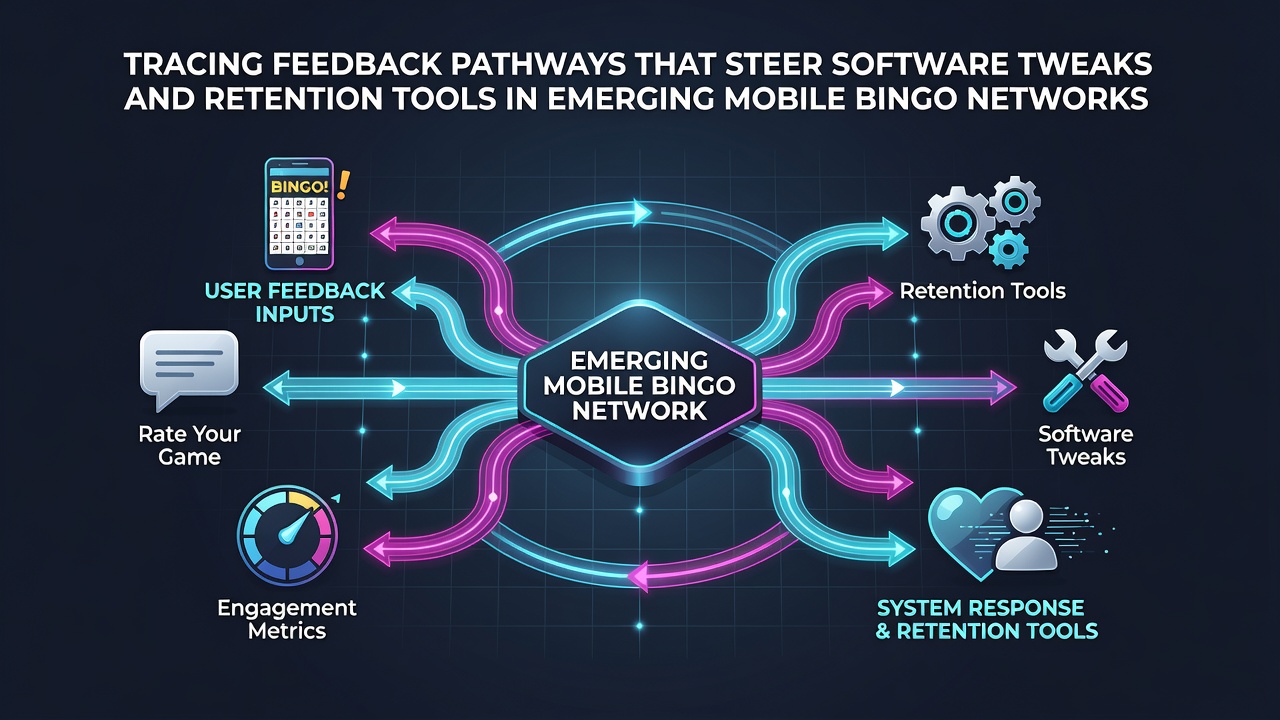
Multiple entry points feed into a central analytics layer where algorithms sort signals by priority and category. Surveys embedded after specific events capture explicit preferences, and passive telemetry records taps, scrolls, and exit points simultaneously. Data from these sources merges into unified records that engineers consult when planning incremental releases, and regulatory filings from the New Jersey Division of Gaming Enforcement show how compliance logs add another layer of required documentation that influences release schedules.
Teams route high-volume complaints through automated triage systems that flag items for immediate review, whereas lower-priority suggestions accumulate in quarterly reports that guide broader roadmap items. Those who manage these systems describe the process as a continuous loop in which each software update generates fresh data that restarts the cycle.
Software Modifications Linked to Feedback Loops
Developers translate identified issues into code changes that range from interface adjustments to backend optimizations affecting jackpot calculation speed. One documented case involved reducing load times after telemetry revealed repeated drop-offs during peak hours, and subsequent releases incorporated caching improvements that raised completion rates across tested cohorts. Figures from industry analyses reveal that such targeted tweaks occur on average every four to six weeks in networks launched within the past eighteen months.
Version control systems track which feedback threads correspond to each commit, creating audit trails that product managers review during sprint planning. External studies, including work published through the University of Nevada Las Vegas gaming research group, document how these documented linkages reduce redundant development effort while maintaining alignment with player-reported needs.
Retention Tools Shaped by the Same Inputs
Loyalty features such as personalized bonus schedules and dynamic room recommendations draw directly from the same data streams that inform core software updates. Platforms adjust trigger thresholds for no-deposit style incentives based on observed churn windows, and segmentation models refine offers according to play-style clusters identified through clustering algorithms. Records maintained by the Alcohol and Gaming Commission of Ontario indicate that operators submitting updated responsible-gaming controls often cite feedback-derived retention metrics as justification for parameter changes.
Notification timing and message content also evolve through A/B testing cycles fed by engagement data, allowing networks to replace generic prompts with context-aware reminders that reference recent activity. This approach integrates with broader player-management systems that log outcomes and feed results back into the original pathways.
Integration Challenges Across Jurisdictions
Cross-border networks must reconcile differing data-handling rules while preserving pathway integrity, and engineers implement region-specific filters that still permit aggregated trend analysis. Technical debt accumulates when legacy modules fail to expose necessary event hooks, yet modernization projects completed in 2025 and 2026 have addressed many of these gaps through modular redesigns. Industry reports note that platforms investing early in extensible logging frameworks report shorter iteration cycles once initial infrastructure stabilizes.
Conclusion
Feedback pathways continue to connect player behavior with iterative development in mobile bingo networks, producing measurable effects on both application code and retention instruments. Ongoing monitoring of these loops supplies the raw material for refinements that appear in successive releases, and documentation from multiple regulatory and academic sources confirms the systematic nature of the process. As networks scale further, the same structures are expected to accommodate additional data types while maintaining traceability from input to implemented change.