Player Communities Guiding Algorithmic Changes in Niche Bingo Prize Structures
Written by Clara Richter · Jul 24, 2026

Player Communities Guiding Algorithmic Changes in Niche Bingo Prize Structures
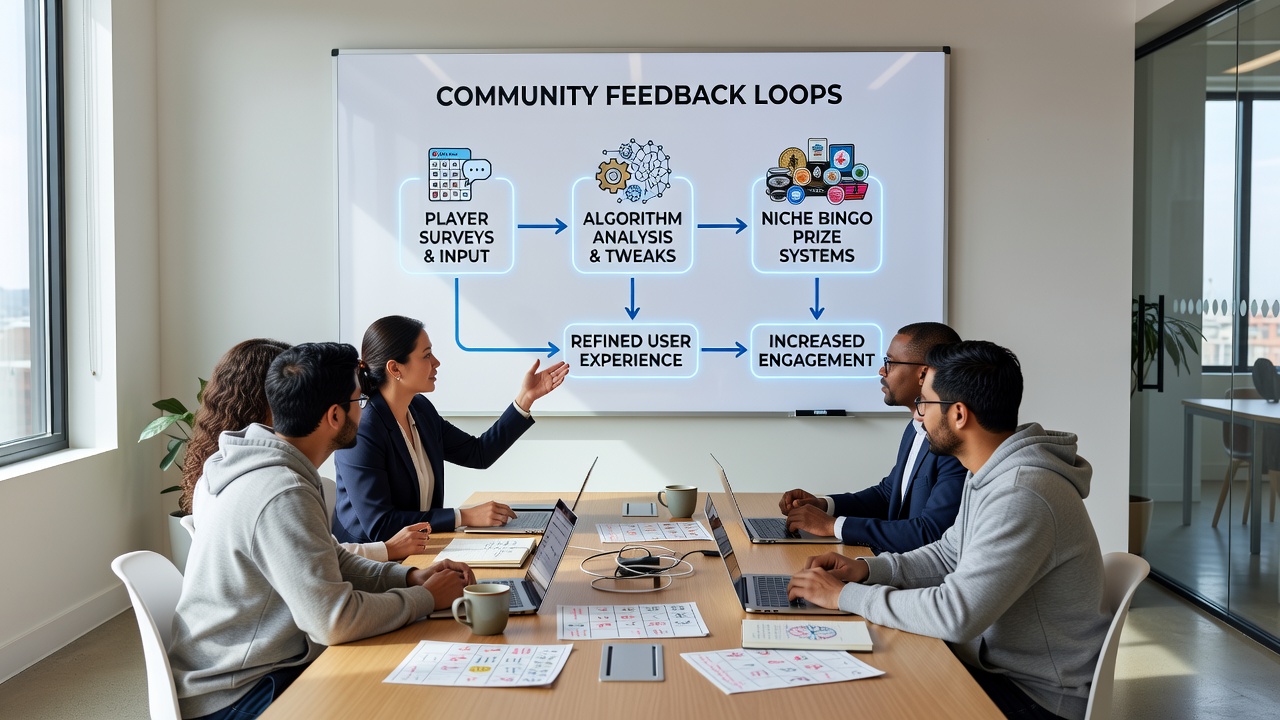
Specialized bingo networks have developed intricate systems where player suggestions feed directly into adjustments for prize distribution algorithms, and these loops operate through structured data collection channels that operators monitor on a continuous basis. Developers track patterns in user comments across forums and in-app surveys, then apply modifications to payout frequencies and jackpot thresholds based on aggregated input from smaller player groups who focus on particular game variants.
Operators in niche segments collect feedback through multiple touchpoints including post-game polls and dedicated suggestion portals, which allows them to identify recurring themes around prize pool allocations. Data from these sources shows that participants often request more frequent smaller wins in certain room types, and companies respond by recalibrating the underlying random number generators to shift probability weights accordingly.
Mechanics of Feedback Integration
Algorithms in these platforms incorporate weighted variables that account for community sentiment scores, and when a threshold of similar requests appears within a set timeframe the system flags the pattern for review. Teams then test proposed tweaks in isolated environments before rolling them out, ensuring that changes maintain compliance with existing technical standards while addressing the reported concerns.
One documented approach involves segmenting feedback by player tenure and activity level, which helps distinguish between casual suggestions and those coming from consistent participants who influence room dynamics more substantially. This segmentation allows developers to prioritize adjustments that align with sustained engagement metrics rather than isolated comments.
Examples of Recent Algorithmic Adjustments
In July 2026 several niche platforms implemented updates that increased the frequency of side-prize triggers after analysis of user-submitted data revealed preferences for layered reward structures. These modifications adjusted the intervals at which bonus balls activated during standard rounds, and operators reported measurable shifts in session durations following the changes.
Another case involved a regional network that revised its progressive jackpot seeding process after players highlighted imbalances in contribution rates across different stake levels. The updated model redistributed seed amounts based on participation volume from each category, which produced more even growth patterns in the prize pools over subsequent weeks.
Data Sources and External Benchmarks
Research from the University of Nevada Reno gaming studies program has examined how similar feedback mechanisms function in controlled environments, revealing that iterative adjustments based on player input can stabilize retention rates when applied consistently. Figures from those studies indicate measurable differences in participation patterns after three to four revision cycles.
Additional context comes from reports issued by the Australian Gambling Research Centre, which tracks technological adaptations in smaller-scale gaming formats and notes parallels in how community signals influence technical refinements across jurisdictions. These observations align with patterns observed in bingo-specific implementations where localized networks adapt algorithms more rapidly than larger commercial operations.
Technical Implementation Challenges
Engineers face constraints when translating qualitative feedback into quantitative parameters, since comments about prize fairness often require mapping to specific variables such as hit frequency or variance settings. Testing protocols include A/B comparisons that run parallel versions of the algorithm for limited player cohorts, allowing direct measurement of response rates before full deployment.
Security considerations also play a role, as any modification to prize algorithms must preserve audit trails that regulatory reviewers can examine. Platforms maintain version logs that document each feedback-driven change, which supports verification processes without disrupting ongoing operations.
Conclusion
Community feedback loops continue to shape refinements in niche bingo prize systems through structured data pathways and iterative testing procedures. These processes rely on systematic collection and analysis of player input, which operators convert into targeted algorithmic modifications that affect prize distribution and engagement indicators. External research from academic and regional bodies provides supporting context on the broader application of such mechanisms, while technical safeguards ensure that updates remain verifiable and compliant.