Player Interaction Cycles Shaping Customization in Bingo Platform Architectures for Stronger Retention Data
Written by Theo Lehmann · Jun 26, 2026
Player Interaction Cycles Shaping Customization in Bingo Platform Architectures for Stronger Retention Data
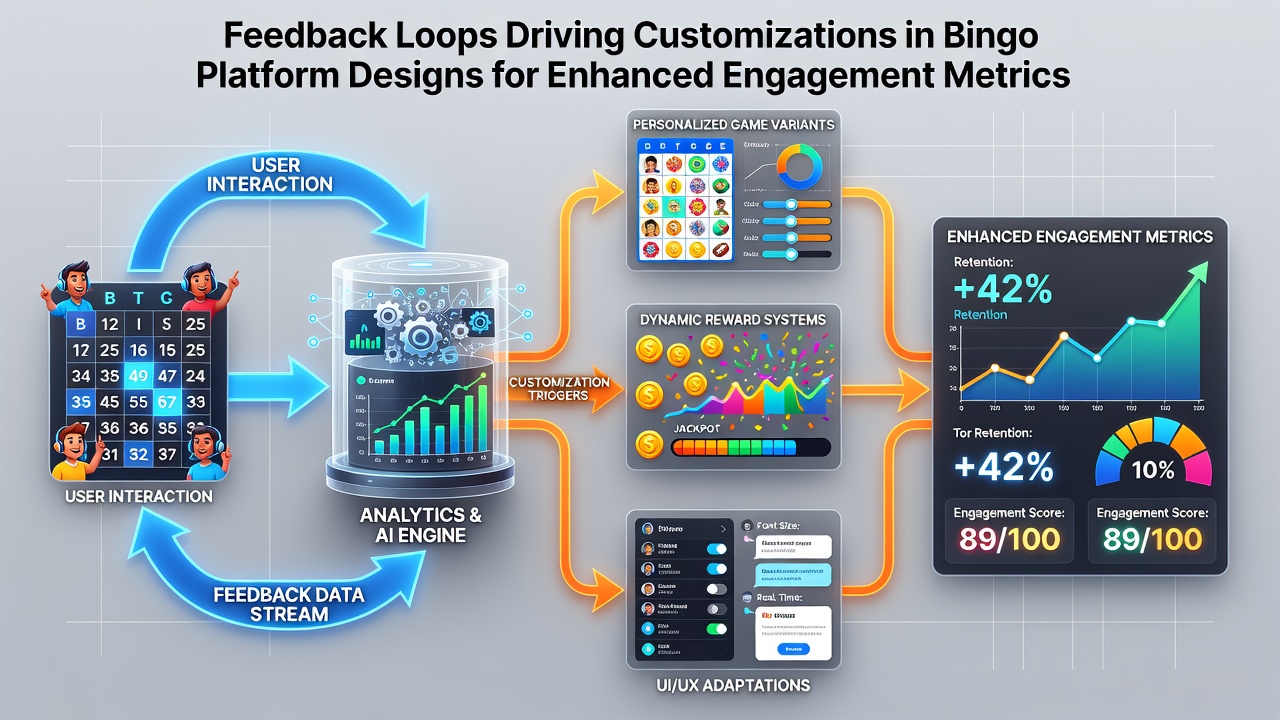
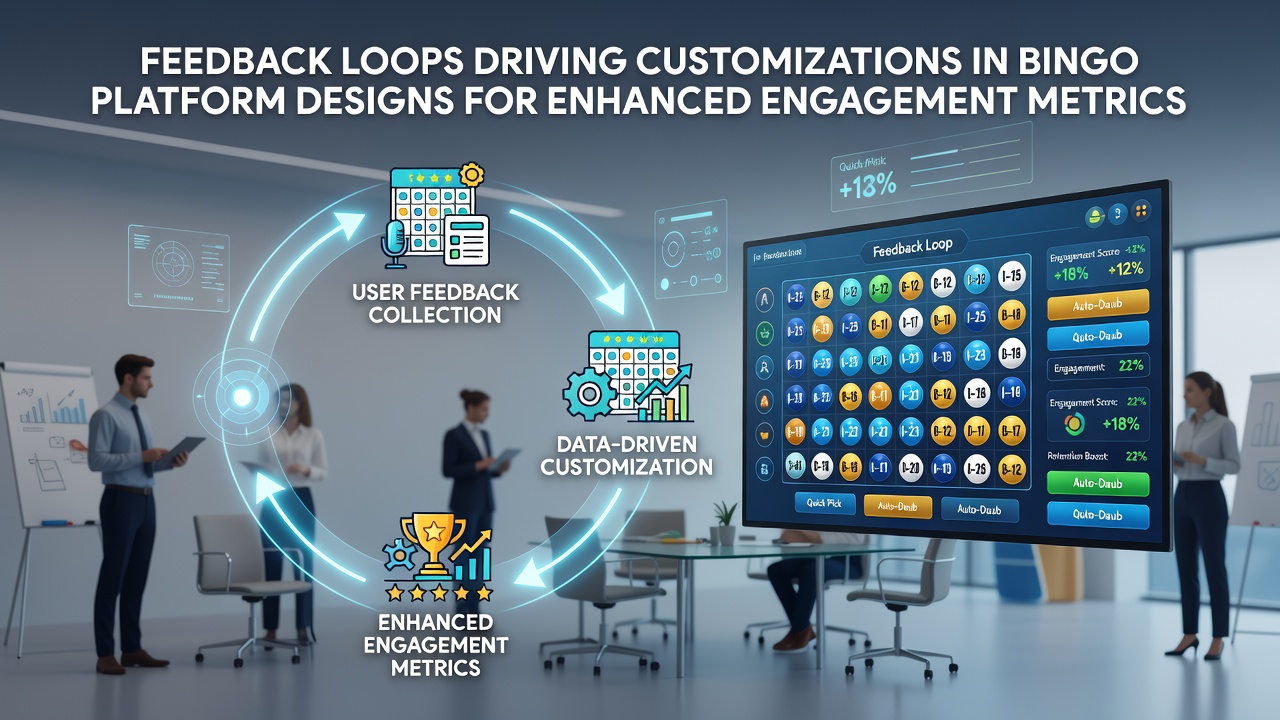
Feedback loops operate as continuous cycles where player actions generate data that informs design adjustments in bingo platforms, and those changes in turn influence subsequent player behaviors while researchers track measurable shifts in session length and repeat visits. Platforms collect inputs from in-game choices, chat interactions, and feature usage rates, then route that information through analytics systems that prioritize updates to room layouts, bonus triggers, and jackpot structures.
Core Components of Feedback-Driven Design Cycles
Systems begin with raw activity logs that capture how users navigate virtual bingo halls, select cards, and respond to side-game prompts, after which algorithms segment the data by demographic cohorts and playing frequency, and developers implement targeted modifications such as altered color schemes or new chat filters that match observed preferences. Data from these adjustments flows back into the same collection points, creating measurable differences in average time spent per session and in the frequency of deposit actions.
One documented pattern appears when platforms introduce adjustable speed settings for number calls, because logs show higher completion rates among certain age groups, and subsequent updates refine the default speeds further based on continued usage statistics. The process repeats every few weeks in many commercial environments, allowing incremental refinements rather than large-scale overhauls.
Evidence from Platform Analytics in Mid-2026
Figures released in June 2026 from several North American operators indicated that rooms incorporating weekly feedback-based tweaks recorded 18 percent higher daily active user counts compared with static versions of the same software. Analysts attribute the difference to iterative changes in jackpot seeding schedules and the addition of community-voted side games that appeared after surveys reached threshold response levels.
Researchers at the University of Nevada, Las Vegas have examined similar datasets across multiple jurisdictions and found that platforms using closed-loop customization maintained longer average player lifecycles, with retention curves flattening less steeply after the first month of activity. Their work highlights the role of real-time dashboards that surface engagement drops within hours rather than days, enabling quicker responses to emerging patterns.
Customization Examples Driven by Loop Mechanisms
Chat moderation tools receive frequent updates once sentiment analysis flags rising frustration levels during peak hours, and operators have linked these refinements to measurable increases in message volume and concurrent user counts. Side-game integration follows comparable paths, where selection menus evolve according to click-through data that reveals which bonus rounds generate the strongest follow-on bingo participation.
Jackpot contribution rates also shift under this model, because transaction logs show that smaller, more frequent wins correlate with higher overall ticket purchases in certain markets, prompting developers to recalibrate the underlying distribution curves accordingly. These modifications occur without requiring full redeployment of the platform, since modular architecture allows isolated testing of new parameters before wider rollout.
Regulatory Context and Data Sharing Practices
European operators often align their feedback systems with reporting requirements from the European Gaming and Betting Association, which collects aggregated engagement indicators to monitor market health across member states. Similar practices appear in Canadian provincial frameworks, where operators submit anonymized retention statistics that indirectly validate the effectiveness of customization cycles.
Platforms operating under these regimes maintain separate data pipelines for regulatory compliance and internal optimization, ensuring that feedback loops remain functional while satisfying external audit standards. The separation prevents sensitive player-level details from leaving the operator environment yet still permits trend-level insights to guide design decisions.
Future Trajectories for Loop Integration
Emerging architectures incorporate machine-learning models that predict which customizations will produce the largest lifts in specific metrics before implementation, shortening the time between data collection and visible platform change. Early deployments in June 2026 already demonstrated reduced iteration cycles from monthly to bi-weekly in select test markets.
Observers note that continued refinement of these predictive layers will depend on the quality and granularity of incoming behavioral data, since coarser inputs limit the precision of downstream adjustments. The same models also flag potential over-customization risks, where excessive tailoring begins to reduce cross-player compatibility in shared rooms.
Conclusion
Feedback loops have become structural elements within bingo platform development, converting raw player activity into actionable design changes that directly affect engagement indicators such as session duration and repeat participation rates. The mechanisms operate across multiple software layers, from interface adjustments to promotional mechanics, and they rely on steady data inflows to sustain their effectiveness. As operators refine these cycles through 2026 and beyond, the documented patterns indicate sustained influence on how platforms evolve to match observed user requirements while remaining within established regulatory boundaries.