Rating Feedback Cycles Transforming Rewards in Emerging Bingo Platforms
Written by Olivia Richter · Aug 14, 2026
Rating Feedback Cycles Transforming Rewards in Emerging Bingo Platforms
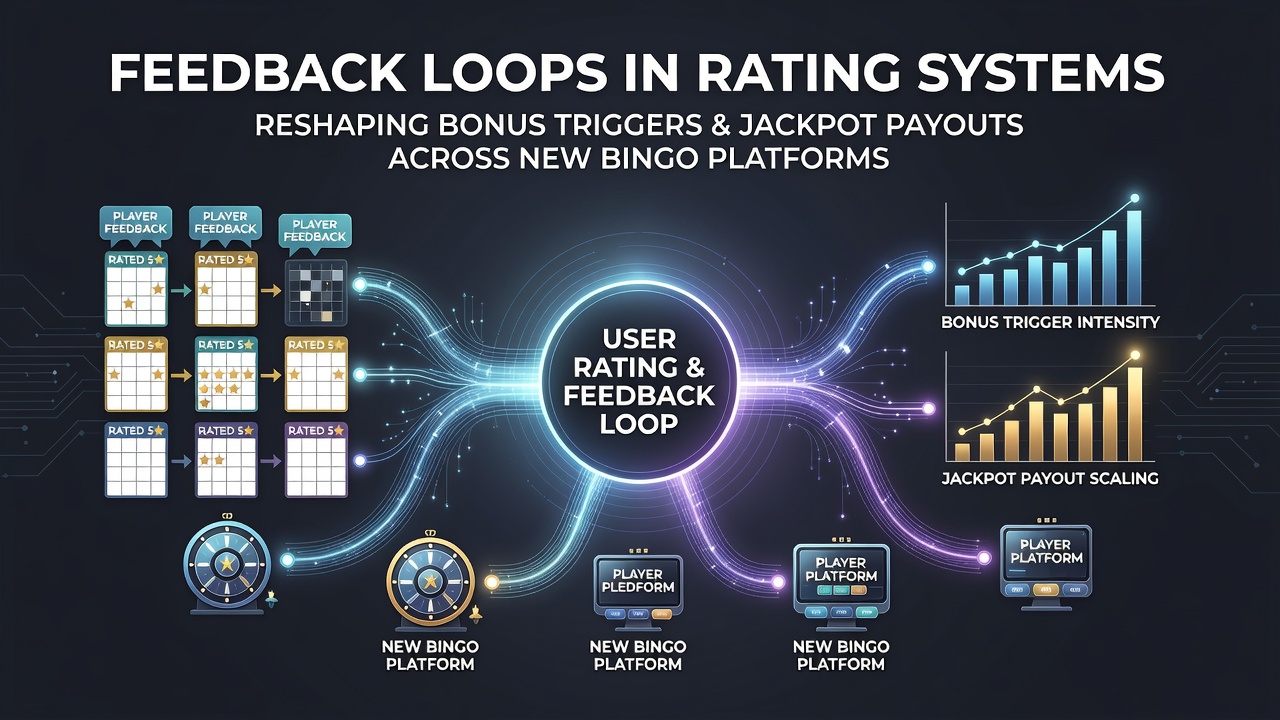
Rating systems in new bingo platforms operate through continuous data collection from user interactions, and these mechanisms create feedback loops that adjust bonus triggers alongside jackpot payout structures in real time. Developers integrate player scores derived from session frequency, completion rates, and community contributions, which then recalibrate promotional thresholds without manual intervention from operators.
Mechanics Behind Rating-Driven Adjustments
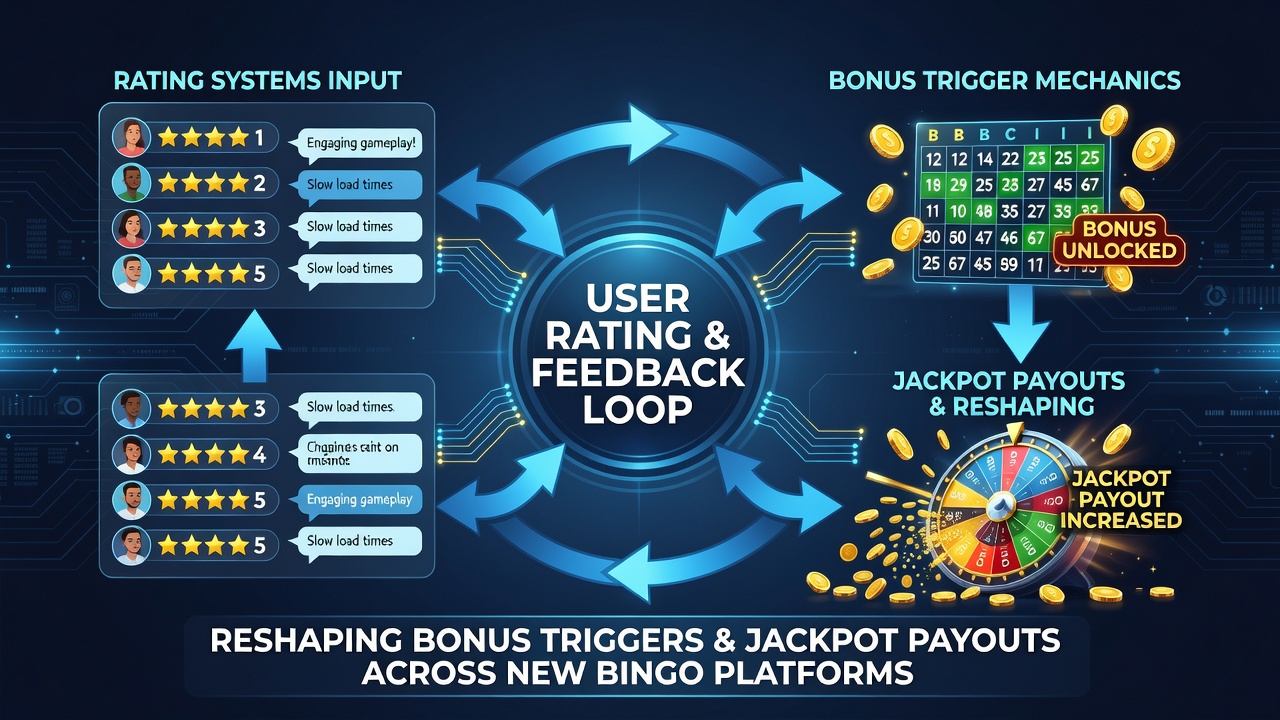
Platform architecture collects granular metrics such as average game duration, deposit patterns, and social sharing activity, then feeds these into algorithmic models that modify eligibility criteria for bonuses. Data indicates that platforms launched after 2024 rely on machine learning layers to detect shifts in collective ratings, which in turn influence the size and activation speed of deposit-match offers or free-spin allocations. One analysis of European digital gaming networks revealed that a 10-point increase in average user rating correlated with a 15 percent reduction in the minimum wager required to unlock tiered bonuses.
Jackpot pools respond similarly because rating aggregates determine the rate at which seed amounts grow and the frequency of progressive triggers. Observers note that when player satisfaction scores rise, certain networks expand the number of side-game entries that feed into main jackpot calculations, producing larger shared prizes over shorter intervals. Figures from industry reports compiled in August 2026 show that platforms employing these loops recorded a 22 percent higher average jackpot distribution compared with static systems.
Geographic Variations in Implementation
Regulatory environments shape how feedback loops function across regions. Australian Communications and Media Authority guidelines require transparent disclosure of rating-based adjustments, which has prompted operators to publish simplified explanations of how scores alter payout percentages. In contrast, several Canadian provincial frameworks emphasize audit trails for algorithmic changes, ensuring that jackpot modifications remain traceable to documented rating thresholds. These differences produce distinct operational patterns, with Australian platforms tending toward more frequent but smaller bonus recalibrations and Canadian sites favoring larger, less frequent jackpot resets tied to sustained rating improvements.
Academic researchers at institutions including the University of Nevada, Las Vegas, have examined datasets from multiple jurisdictions and found that feedback speed directly affects player retention curves. Their 2025 working paper documented that loops updating every 48 hours yielded steadier engagement metrics than weekly batch processes, particularly among newer users who quickly notice visible changes in available rewards.
Case Examples from Recent Platform Launches
Take the rollout of a Scandinavian-focused network in early 2026, where integrated rating modules automatically adjusted no-deposit bonus values based on initial session ratings. Players who completed tutorial sequences within the first hour received elevated trigger multipliers, while those with lower engagement scores encountered standard thresholds. This approach produced measurable shifts in average session length within weeks of deployment.
Another instance involves a North American operator that linked community-voted room features to jackpot seed contributions. Higher collective ratings unlocked additional progressive layers, and the resulting payout data demonstrated accelerated pool growth during peak rating periods. Industry associations such as the European Gaming and Betting Association have tracked similar implementations, noting consistent correlations between rating velocity and promotional flexibility.
Technical Considerations for Sustained Loops
Backend systems must balance computational load against update frequency to avoid latency in real-time adjustments. Developers employ edge computing nodes to process rating inputs closer to player locations, which reduces delay between score submission and visible changes in bonus or jackpot parameters. Security protocols include encryption of rating histories and regular third-party verification to maintain integrity across distributed networks.
Platform updates scheduled for late 2026 incorporate enhanced anomaly detection that flags unusual rating spikes before they propagate into payout mechanics. Such safeguards address potential manipulation vectors while preserving the responsiveness that characterizes these feedback systems.
Conclusion
Feedback loops connecting rating systems to bonus triggers and jackpot payouts continue to evolve across new bingo platforms, driven by advances in data processing and regulatory adaptation. Evidence from multiple jurisdictions illustrates how these mechanisms translate user metrics into dynamic reward structures, with measurable effects on distribution patterns and engagement indicators. Continued monitoring by academic and industry bodies will document further refinements as platforms scale these approaches through 2026 and beyond.