Retention Analytics Directing Software Adaptations in Fresh Bingo Promotional Environments
Written by Yves Keller · Aug 26, 2026
Retention Analytics Directing Software Adaptations in Fresh Bingo Promotional Environments
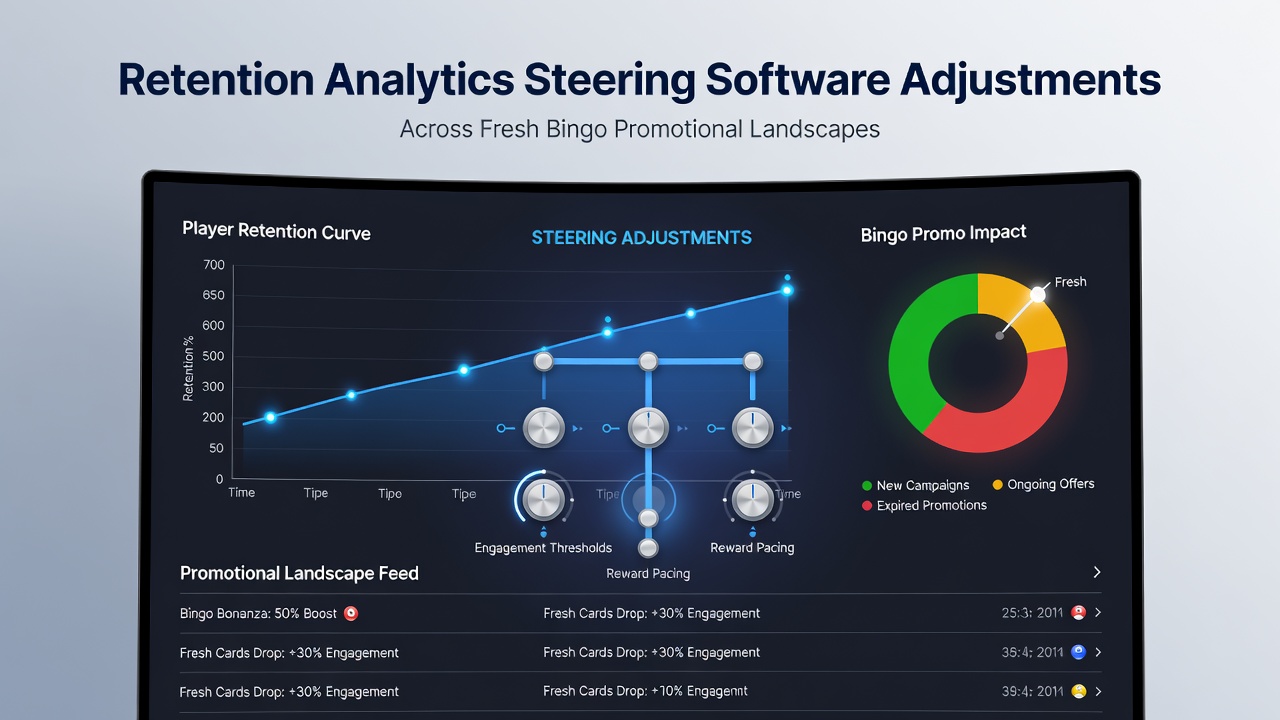
Retention analytics has emerged as a central mechanism for guiding software modifications on bingo platforms as operators navigate new promotional structures in 2026, and data streams from player sessions feed directly into algorithm refinements that alter bonus timing, jackpot triggers, and reward pacing. Operators track metrics such as session length, repeat login frequency, and deposit patterns to identify where engagement drops occur, then route those signals into code updates that shift promotional parameters in real time.
Core Metrics Driving Platform Changes
Software teams collect granular data on churn points within promotional cycles, and these datasets reveal which bonus formats retain users past the initial deposit stage while others lead to rapid exits. In August 2026 several networks adjusted their no-deposit incentive structures after analytics flagged a 22 percent drop in second-day activity, prompting code changes that staggered reward releases across multiple days instead of front-loading them. Such adjustments rely on integration between analytics dashboards and backend promotion engines, allowing developers to test variant configurations without full platform redeployments.
Player progression tracking supplies another layer of input, and systems now monitor how different jackpot seed values affect long-term participation rates. One study released by the University of Nevada, Reno Center for Gambling Research showed that incremental jackpot growth tied to retention curves produced steadier engagement than static prize pools, and platform architects incorporated those findings into dynamic scaling modules that recalibrate prize ladders weekly.
Regional Regulatory Contexts Shaping Implementation
Regulatory frameworks in multiple jurisdictions require documented evidence that promotional software prioritizes responsible play, and retention analytics supplies the audit trails needed for compliance reviews. Australian gambling research institutes have published reports indicating that data-driven bonus pacing reduces excessive session clustering, and developers reference these findings when coding cooldown features into promotional logic. Canadian provincial regulators similarly emphasize transparent reward mechanics, pushing software providers to embed retention-derived safeguards that automatically throttle bonus frequency when session metrics exceed predefined thresholds.
Technical Integration Patterns
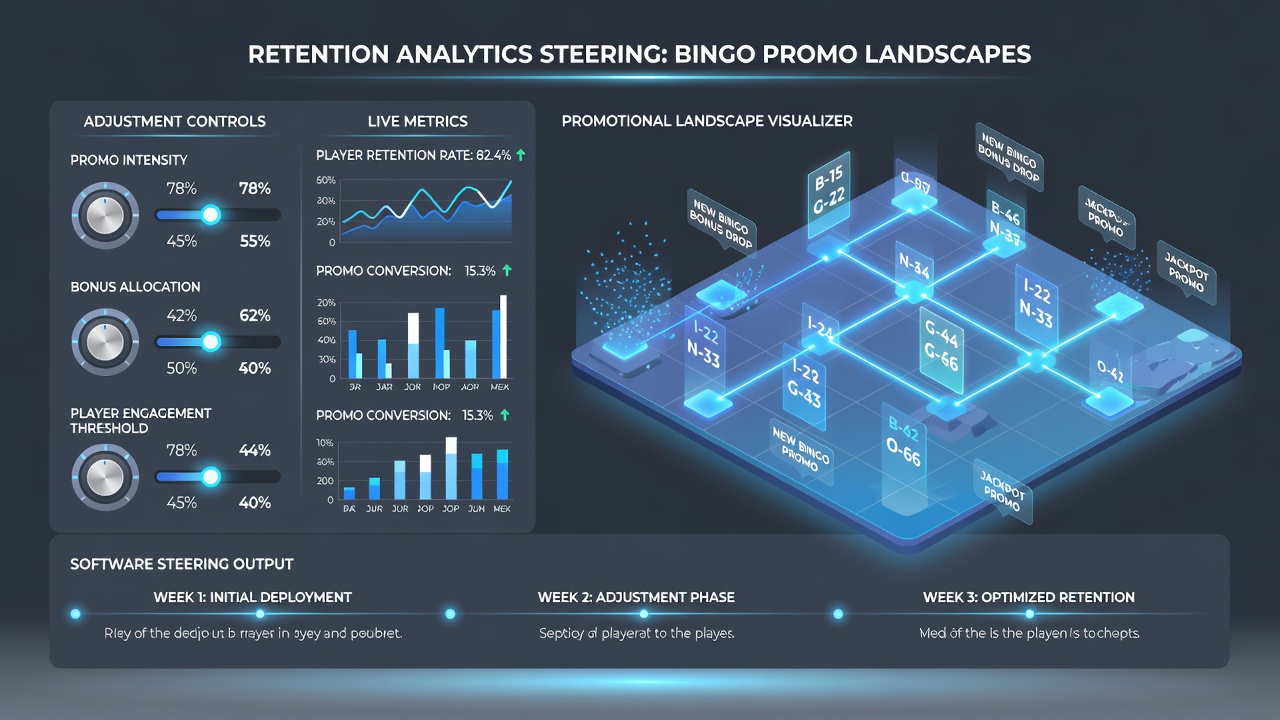
Modern bingo architectures link analytics pipelines directly to promotional rule engines through API layers, and this connectivity enables near-instantaneous parameter shifts once retention thresholds are crossed. Engineers deploy A/B testing frameworks that isolate variables such as bonus expiry windows or side-game unlock conditions, then feed performance outcomes back into the same retention models that triggered the test. Observers note that platforms adopting these closed-loop systems report faster iteration cycles, with some completing full promotional overhauls within a single calendar month.
Cloud-based analytics services have lowered the barrier for smaller operators, and these providers now offer prebuilt bingo retention templates that map common metrics to standard code adjustment hooks. Data from these services shows consistent patterns across markets, including higher retention when side-game access expands based on cumulative playtime rather than deposit volume alone.
Future Trajectory Through Late 2026
Continued expansion of real-time retention modeling points toward broader adoption of predictive modules that forecast promotional fatigue before it materializes in user behavior logs. Industry reports from European gaming associations indicate rising investment in machine-learning layers that ingest retention signals and output recommended software patches, and several networks plan to pilot these modules before year end. The resulting software environment allows promotional landscapes to evolve in tandem with measurable player retention curves rather than relying on static campaign calendars.
Conclusion
Retention analytics now functions as the primary steering mechanism for software adjustments across emerging bingo promotional setups, and the integration of session data with promotion engines continues to accelerate. Platforms that maintain tight feedback loops between metrics collection and code deployment demonstrate measurable shifts in how bonuses and jackpots are structured, while regulatory environments reinforce the need for evidence-based refinements. As 2026 progresses, the pattern suggests further convergence between analytics platforms and promotional software, producing environments where player retention data directly dictates the next round of technical changes.