Smartphone Features Driving Marketing Innovations in Emerging Bingo Locations
Written by Olivia Richter · Jun 22, 2026
Smartphone Features Driving Marketing Innovations in Emerging Bingo Locations
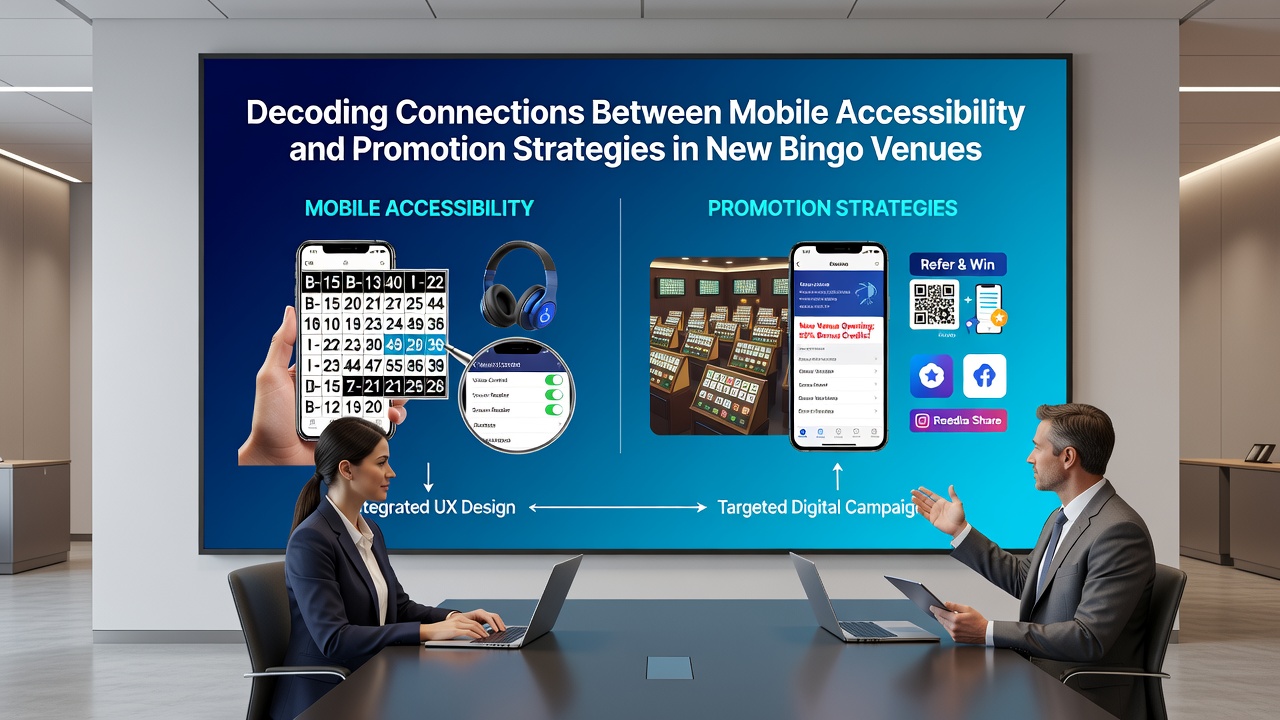
Connections between mobile accessibility tools and promotion strategies continue to shape how new bingo venues launch and sustain player interest, with operators integrating app-based features directly into marketing plans. Research from industry analysts shows that venues opening in 2025 and 2026 increasingly rely on smartphone interfaces to deliver targeted offers, such as time-limited entry bonuses or location-specific rewards that activate only through verified mobile sessions. Data indicates these approaches allow venues to track engagement metrics in real time, adjusting promotional content based on user interaction patterns rather than static schedules.
Accessibility Standards Meet Venue Launch Tactics
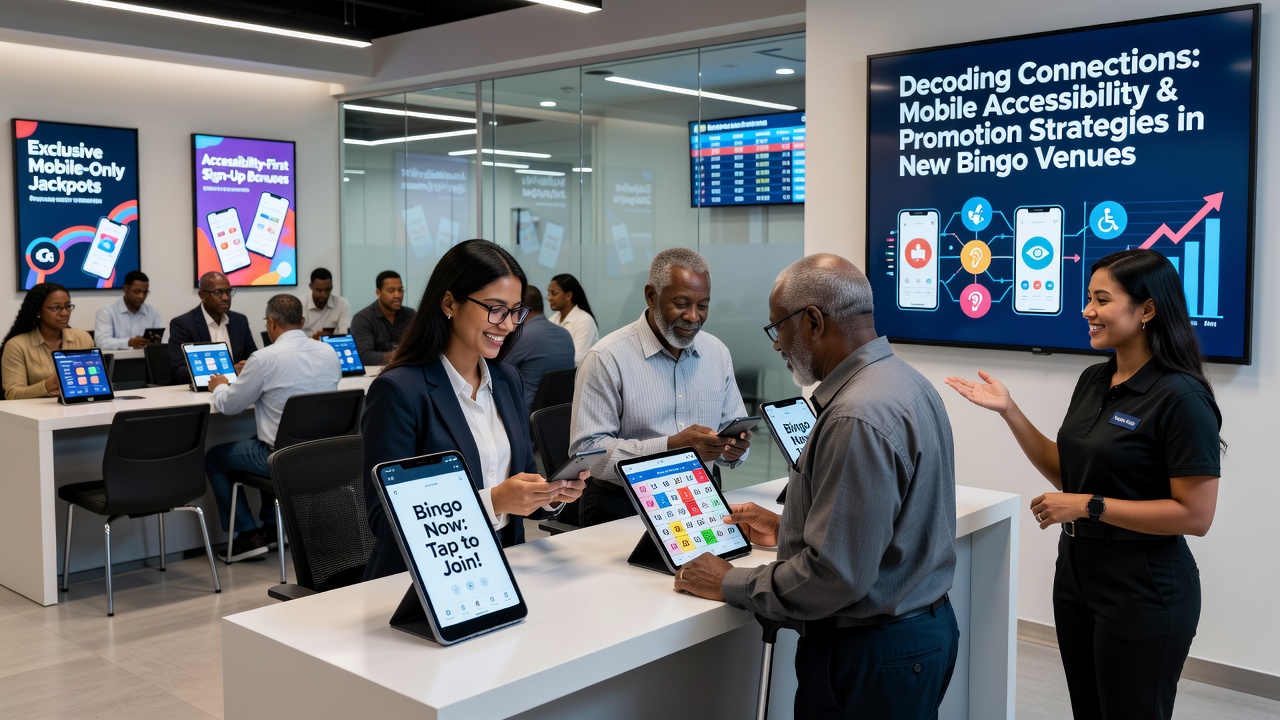
Regulatory bodies in multiple regions have updated guidelines on digital access, prompting new bingo locations to embed mobile compatibility from the planning stage onward. Observers note that facilities in North America and parts of Europe now incorporate screen reader support, adjustable font sizes, and voice navigation into their companion apps, which in turn become central channels for distributing welcome packages and loyalty incentives. Figures from a University of Nevada gaming research report reveal that venues adopting these standards see higher initial sign-up rates when promotions highlight ease of mobile entry over traditional ticket purchases. Operators link these accessibility upgrades to broader campaigns that push personalized notifications, turning routine compliance steps into distinctive marketing hooks that differentiate new sites from established competitors.
June 2026 Tech Rollouts and Regional Patterns
By June 2026 several new bingo venues across Canada and Australia are scheduled to debut integrated mobile platforms that combine accessibility options with geo-fenced promotions. Reports from the Ontario Lottery and Gaming Corporation document how these systems allow operators to send instant offers to users within a defined radius while maintaining compliance with regional data rules. Venues use these tools to test variable bonus structures, such as progressive jackpots unlocked after a set number of mobile check-ins, creating measurable differences in retention compared with non-mobile campaigns. Those monitoring the sector point out that the timing aligns with broader 5G expansion, enabling smoother video streaming of live draws directly through accessible apps and reducing friction for players with varying device capabilities.
Data Flows Informing Promotional Adjustments
Analytics platforms now feed directly into promotion engines at many emerging bingo sites, where mobile usage statistics guide the timing and format of offers. Studies from the International Center for Gaming Regulation indicate that operators review heat maps of app activity to decide when to release deposit-match incentives or free card bundles, ensuring messages reach users during peak accessibility-friendly hours. This closed-loop process lets venues refine campaigns without broad announcements, focusing resources on segments that respond best to mobile-optimized content. One example involves a venue in development that shifted its entire opening-week promotion strategy after early beta testing showed stronger engagement through voice-guided interfaces than through visual-only designs.
Partnership Models Between Developers and Operators
Software providers specializing in accessible gaming interfaces have formed targeted collaborations with new bingo venue developers, embedding promotion modules into core accessibility frameworks. These partnerships allow features like one-tap enrollment for loyalty programs or automatic translation of bonus terms into multiple languages, which operators then promote as core differentiators. Evidence from European trade association summaries shows such integrations reduce development timelines while expanding the reach of marketing messages to diverse user groups. Venues benefit because promotions appear seamlessly within the same accessible environment players already use for navigation, rather than requiring separate downloads or logins that could create barriers.
Measurement Approaches Tracking Long-Term Impact
Performance tracking has grown more sophisticated as mobile accessibility data merges with promotion outcome records. Metrics now include session duration on accessible features alongside redemption rates for mobile-exclusive offers, giving operators clearer pictures of which combinations drive sustained visits. Academic papers published through gaming research centers highlight that venues collecting this combined data can forecast demand more accurately and allocate marketing budgets toward the most responsive channels. In practice, this means new sites often launch with modest promotion scales that expand only after mobile metrics confirm accessibility features are functioning as intended for the intended audience segments.
Conclusion
Links between mobile accessibility and promotion strategies in new bingo venues rest on measurable integration points where compliance features double as marketing channels. Operators continue to refine these connections through regional data sources and developer partnerships, producing campaigns that adapt in response to actual usage patterns rather than assumptions. As additional venues open through 2026, the same frameworks are expected to guide further adjustments in how accessibility tools support ongoing promotional efforts.