Technical Architecture's Role in Shaping Retention Across Specialized Bingo Networks
Written by Theo Lehmann · Aug 21, 2026
Technical Architecture's Role in Shaping Retention Across Specialized Bingo Networks
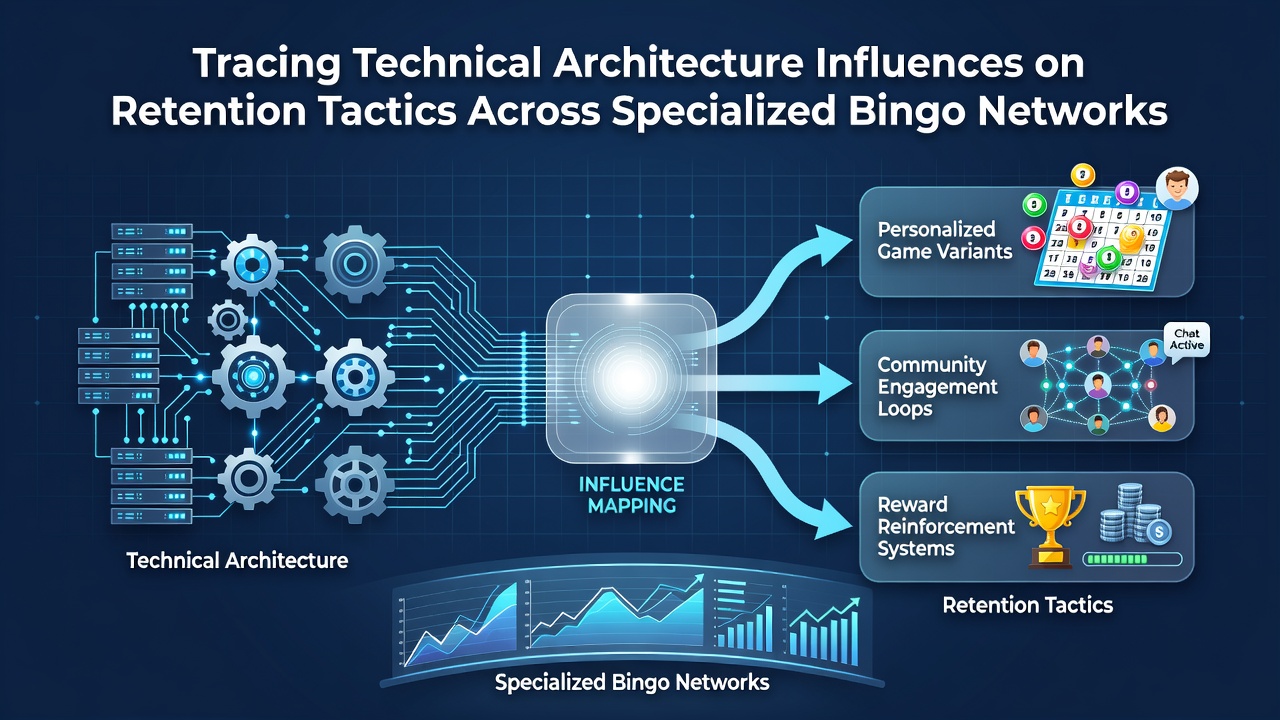
Specialized bingo networks rely on layered technical architectures that directly shape how operators design and deploy retention tactics, with backend systems handling real-time player data, session tracking, and personalized feature delivery. Observers note that these frameworks have evolved significantly by August 2026, as platforms integrate modular microservices to support targeted engagement loops across niche communities focused on specific game variants or regional preferences.
Core Components Driving Retention Mechanisms
Platform architecture typically incorporates distributed databases, API gateways, and event-driven processing layers that allow operators to monitor player behavior patterns and adjust incentives without disrupting live sessions. Researchers have documented how cloud-based scaling enables continuous A/B testing of retention features such as loyalty point multipliers or room access tiers, while legacy monolithic systems often limit such flexibility in smaller networks. Data from the Nevada Gaming Control Board shows increased adoption of these scalable models among licensed operators seeking to maintain consistent player cohorts amid fluctuating participation rates.
Specialized networks serving distinct demographics, including those centered on high-stakes 75-ball formats or community-driven 90-ball variants, use these architectures to segment users based on historical engagement metrics. This segmentation feeds directly into automated retention protocols that trigger customized notifications or bonus structures at precise intervals determined by algorithmic analysis of session duration and frequency.
Influence on Player Loyalty Loops
Technical decisions around latency reduction and cross-device synchronization play a measurable role in sustaining long-term participation, since delays in number verification or chat integration can interrupt the flow that keeps players returning. Industry reports indicate that networks employing edge computing nodes report higher session completion rates, which in turn support retention tactics built around streak rewards and progressive community challenges. Those who've examined platform logs across multiple operators find that seamless handoffs between mobile and desktop interfaces correlate with extended player lifecycles in niche bingo environments.
Retention outcomes also depend on how architectures handle data privacy compliance and audit trails, particularly when networks operate across jurisdictions with varying requirements. The Alcohol and Gaming Commission of Ontario has published guidelines emphasizing robust logging systems that enable transparent tracking of player activity, which operators then leverage to refine retention offers without risking regulatory scrutiny. Such infrastructure supports teh creation of closed feedback loops where player suggestions influence feature rollouts through structured testing environments.
Case Patterns in Niche Implementations
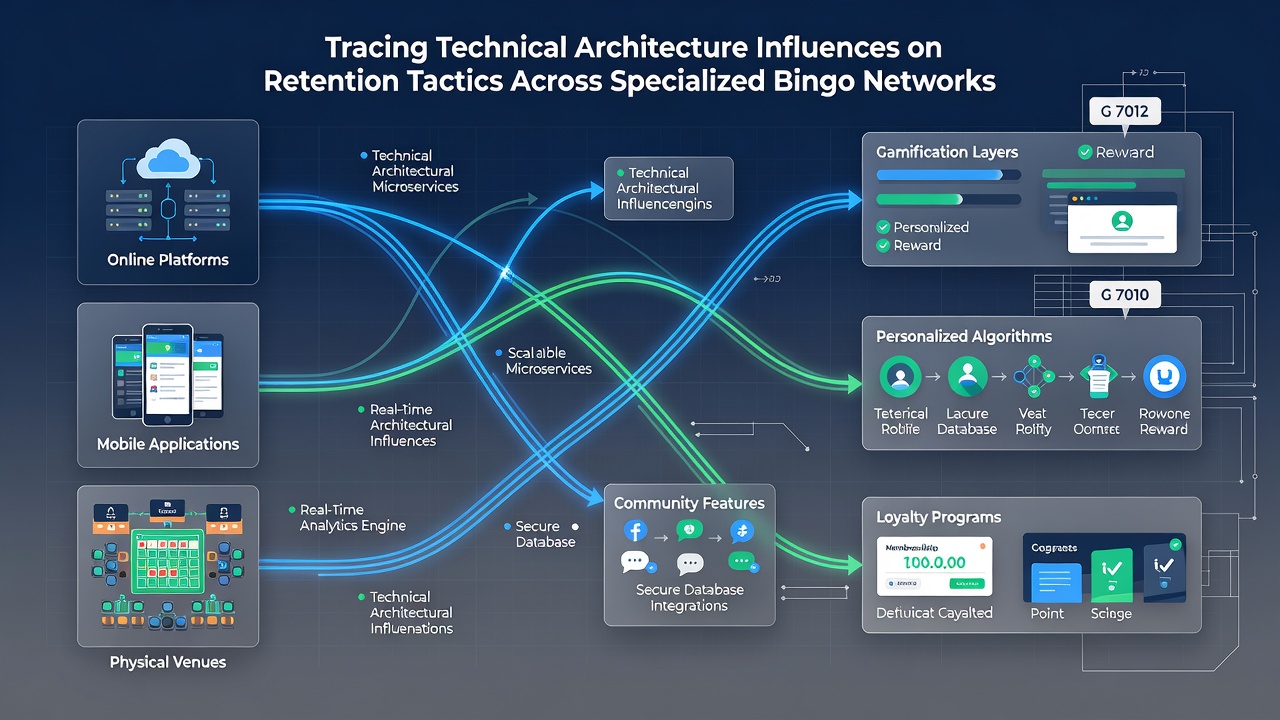
One documented approach appears in networks that prioritize containerized deployments for rapid iteration of retention tools, allowing teams to isolate updates to bonus engines or leaderboard algorithms. Observers tracking developments through 2026 note that these setups reduce downtime during peak periods, preserving momentum in player engagement campaigns that rely on timely prize distributions. Figures from regional monitoring bodies reveal that operators using such modular designs maintain steadier cohort retention compared with those constrained by older integrated systems.
Specialized bingo platforms serving enthusiast groups often incorporate real-time analytics pipelines that feed retention tactics with granular insights on drop-off points. This enables precise interventions, such as automated re-engagement sequences triggered after specific inactivity thresholds, all orchestrated through centralized orchestration layers that coordinate messaging services with game servers. Experts have observed that the depth of these integrations determines how effectively operators can scale community events without fragmenting the player experience across different network segments.
Future Trajectories in Architecture and Retention
Emerging patterns suggest continued emphasis on hybrid architectures that blend on-premise control with cloud elasticity, particularly for networks handling sensitive transaction data alongside entertainment features. Such configurations facilitate retention strategies that adapt to regulatory shifts in real time, including dynamic adjustments to promotional parameters based on compliance dashboards. Research indicates that platforms investing in these adaptive frameworks demonstrate measurable improvements in player return rates across specialized segments.
Conclusion
Technical architecture forms the underlying framework that determines the viability and precision of retention tactics throughout specialized bingo networks, with each layer from data ingestion to user interface delivery contributing to sustained player engagement. As systems continue to mature in 2026, the interplay between infrastructure choices and operational strategies remains central to how these networks maintain their distinct communities and participation levels.