Unraveling Connections Between Player Input Behaviors and Retention Systems in Digital Bingo Platforms
Written by Clara Richter · Jun 29, 2026

Unraveling Connections Between Player Input Behaviors and Retention Systems in Digital Bingo Platforms
Digital bingo platforms collect vast amounts of interaction data that reveal how specific user inputs connect to long-term player engagement across different networks, and researchers continue to examine these relationships through detailed analytics frameworks. Patterns such as session duration, button selection frequency, and navigation sequences often align with retention indicators including repeat login rates and deposit consistency, while platforms adjust mechanics accordingly based on aggregated findings from multiple operators.
Input Data Categories and Their Observable Links to Retention
Analysts categorize user inputs into areas like timing preferences, feature activation sequences, and social interaction triggers, then cross-reference these with retention outcomes tracked over multi-month periods. Studies indicate that players who frequently engage with chat functions during bingo rounds show higher continuation rates compared to those who focus solely on number selection, and this pattern holds across several European and North American networks examined in recent reports. Data from industry monitoring tools shows correlations between rapid successive clicks on bonus menus and subsequent account activity levels, prompting some operators to refine notification timing to match observed user rhythms.
Retention mechanics in these systems typically include progressive jackpot eligibility tied to consistent participation markers, and input patterns help determine when such features activate for individual accounts. Observers note that networks using adaptive reward structures based on clickstream analysis maintain steadier player bases through June 2026, as adjustments respond directly to shifts in user behavior rather than static schedules.
Regional Platform Variations in Pattern Application
Operators in different jurisdictions apply input pattern insights with varying degrees of integration into their retention tools. In Canadian markets, platforms have incorporated session heatmaps to adjust game room availability during peak input periods, resulting in documented improvements to monthly active user figures according to aggregated operator disclosures. Australian networks, by contrast, emphasize input velocity metrics to calibrate no-deposit feature triggers, linking faster navigation styles with tailored retention offers that extend play cycles.
One research initiative from the University of Nevada Las Vegas examined input logs across several bingo applications and identified that players exhibiting mixed input types, combining quick selections with occasional pauses, demonstrated stronger retention when platforms responded with dynamic room recommendations. These findings appear in a publicly available study accessible through academic repositories and provide operators with benchmarks for testing similar mechanics in their own environments.
Technical Implementation Across Networks
Platform architecture often processes real-time input streams through machine learning models that predict retention probability scores, then trigger corresponding mechanics such as personalized jackpot qualifiers or bonus round extensions. Select networks have reported deploying these systems in phased rollouts, monitoring input shifts before and after implementation to validate the connections. Evidence from operator technical summaries suggests that input-based retention adjustments reduce churn rates more effectively than uniform bonus distributions, particularly when models account for regional regulatory constraints on promotional structures.
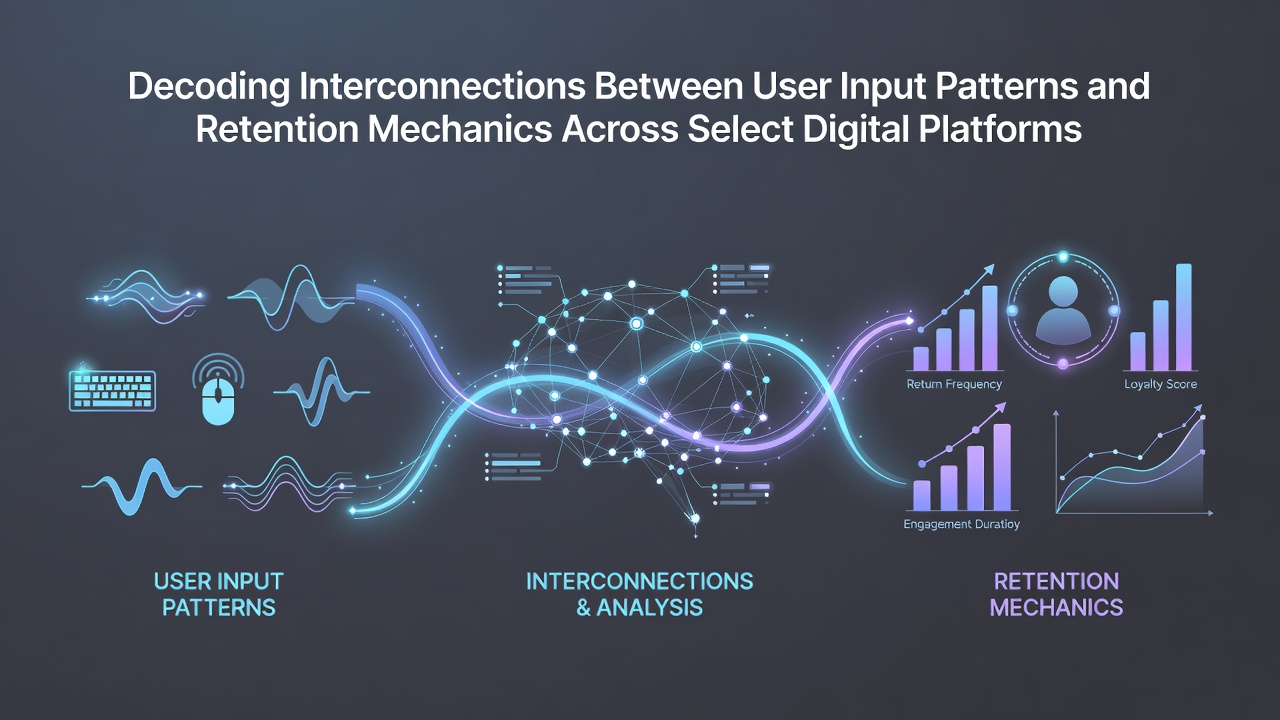
Integration challenges arise when input patterns vary significantly between casual and high-frequency users, requiring networks to maintain separate calibration layers. Those who've studied these systems note that successful implementations combine input data with broader metrics like device type and time-of-day preferences to refine retention outcomes without overgeneralizing across player segments.
Measurement Approaches and Industry Benchmarks
Retention evaluation relies on metrics such as day-30 return rates and average session intervals, which platforms correlate against input pattern clusters derived from anonymized logs. Reports compiled by the European Gaming and Betting Association highlight how networks that prioritize input-responsive mechanics achieve more stable engagement curves over quarterly periods compared to those using fixed retention protocols. These benchmarks draw from submissions across multiple member operators and reflect developments observed through the first half of 2026.
Further analysis shows that input patterns involving repeated access to help sections or rule explanations often precede extended retention when platforms provide contextual guidance based on those signals. Such targeted responses appear in case examples from mid-sized networks that have shared anonymized performance data with research groups for validation purposes.
Conclusion
Connections between user input patterns and retention mechanics continue to shape technical decisions across select digital bingo networks, with data-driven adjustments becoming standard practice in multiple regions. Ongoing examination of these relationships supports incremental refinements to engagement features while respecting jurisdictional requirements, and industry sources indicate sustained focus on these interconnections through 2026 and beyond.