User-Driven Development: How Player Suggestions Refine Mobile Bingo Software for Jackpots and No-Deposit Features
Written by Kai Günther · May 27, 2026

User-Driven Development: How Player Suggestions Refine Mobile Bingo Software for Jackpots and No-Deposit Features
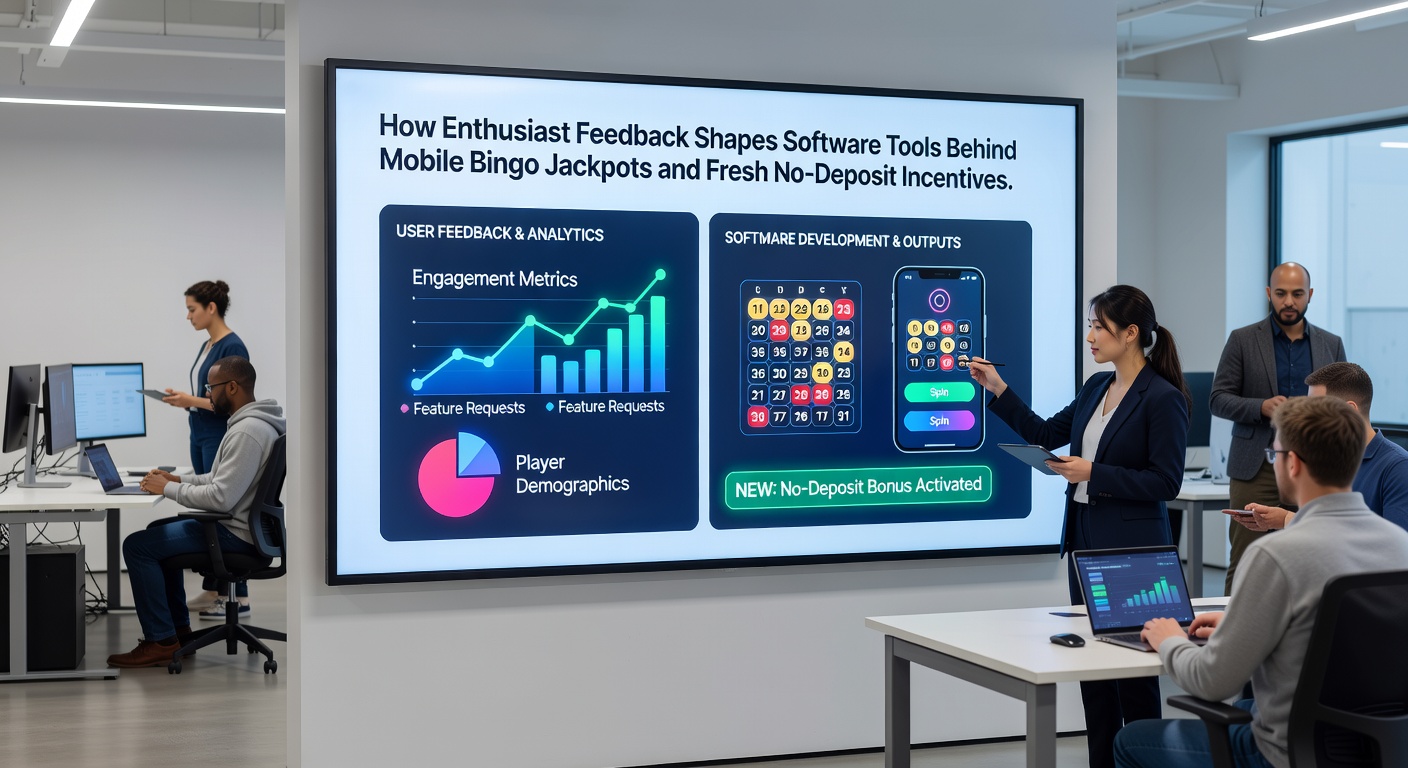
Player comments collected through app stores, forums, and direct surveys continue to influence the design choices behind mobile bingo platforms, particularly in areas like jackpot algorithms and no-deposit incentive structures. Data from industry tracking services shows that updates rolled out in early 2026 often trace back to clusters of user requests submitted during the previous twelve months. These patterns emerge when developers review aggregated feedback logs that highlight recurring themes around payout visibility, bonus eligibility rules, and interface responsiveness during live games.
Feedback Channels and Data Aggregation Methods
Developers gather input through multiple routes including in-app rating prompts, community boards, and post-session questionnaires. Research from the Canadian Gaming Association indicates that structured surveys yield response rates above 15 percent when tied to small reward triggers, while open forum threads generate longer qualitative notes on specific mechanics. Teams then categorize these entries by theme, frequency, and platform version before prioritizing changes in sprint planning cycles. One studio based in Malta reported processing over 4,200 distinct suggestions between January and April 2026, with jackpot progression speed and bonus claim friction ranking among the top five topics.
Impact on Jackpot Software Architecture
Jackpot systems now incorporate dynamic scaling parameters that adjust based on collective player behavior metrics rather than static thresholds alone. When users repeatedly note that progressive meters advance too slowly during low-traffic periods, engineering groups test revised contribution percentages drawn from aggregated session data. This approach allows the software to recalibrate pool growth rates without requiring full code rewrites. Observers note that several operators introduced tiered jackpot tiers in May 2026 after multiple feedback batches mentioned limited excitement around single large pools. The revised tools display separate meters for daily, weekly, and progressive categories, each updated through separate contribution streams that reflect player volume patterns captured in real time.
Testing Protocols Informed by User Reports
Before deployment, proposed modifications undergo A/B testing that incorporates segments of users who previously submitted related comments. This targeted rollout lets developers measure whether the changes address the original pain points while monitoring secondary metrics such as session length and repeat visits. Figures from the Australian Interactive Gambling Association reveal that platforms using feedback-segmented testing achieved a 22 percent higher implementation success rate compared with broad rollouts in 2025. The process also flags unintended side effects, such as increased server load during peak hours, before wider release.
Refinements to No-Deposit Incentive Delivery
No-deposit offers have evolved from fixed credit bundles into modular reward packages that adapt to usage patterns flagged in feedback. When players report that bonus funds expire before they can complete wagering requirements, developers adjust validity windows and introduce staggered release schedules. These adjustments appear in updated terms that reference specific player cohorts, such as those who play primarily on tablets versus smartphones. In May 2026 several platforms introduced conditional top-ups triggered after a minimum number of games completed within the initial free credit period, directly addressing comments about abrupt terminations of play sessions.
Software tools now log granular event data around incentive redemption, including time between claim and first game, device type, and drop-off points. Analysis of these logs feeds into machine-learning models that predict which incentive structures retain users longest across different regions. According to a 2025 report published by the European Gaming and Betting Association, platforms that integrated such predictive models reduced bonus-related support tickets by 31 percent year over year.
Case Examples of Implemented Changes
One European operator documented a full redesign of its mobile jackpot notification system after repeated comments highlighted missed alerts during backgrounded app sessions. The updated architecture uses push-notification prioritization rules derived from player-specified preferences collected through in-app forms. Another studio in North America modified its no-deposit onboarding flow to include optional tutorial overlays, responding to survey data showing that first-time users often abandoned the process within the first three minutes. These examples illustrate how specific feedback clusters translate into concrete code commits tracked through public changelog entries.
Regulatory Considerations Around Feedback Integration
Regulators in multiple jurisdictions require operators to maintain auditable records of how player input influences game parameters and promotional terms. The Malta Gaming Authority, for instance, requests periodic summaries that link user-submitted suggestions to implemented software revisions. Compliance teams cross-reference these records against payout reports and bonus redemption statistics to demonstrate that changes maintain fairness standards. Such documentation practices have become standard in licensing renewal applications submitted during 2026.
Conclusion
Enthusiast feedback continues to supply developers with prioritized lists of functional adjustments that shape both jackpot mechanics and no-deposit incentive frameworks. Through structured collection, segmented testing, and regulatory documentation, these inputs translate into measurable software updates released across mobile bingo platforms. The cycle repeats as new versions generate fresh response data, sustaining an ongoing loop between player comments and technical refinements.